









Bicycle Storage in Tenant Lockers: Check the Bike, Door and Route Together
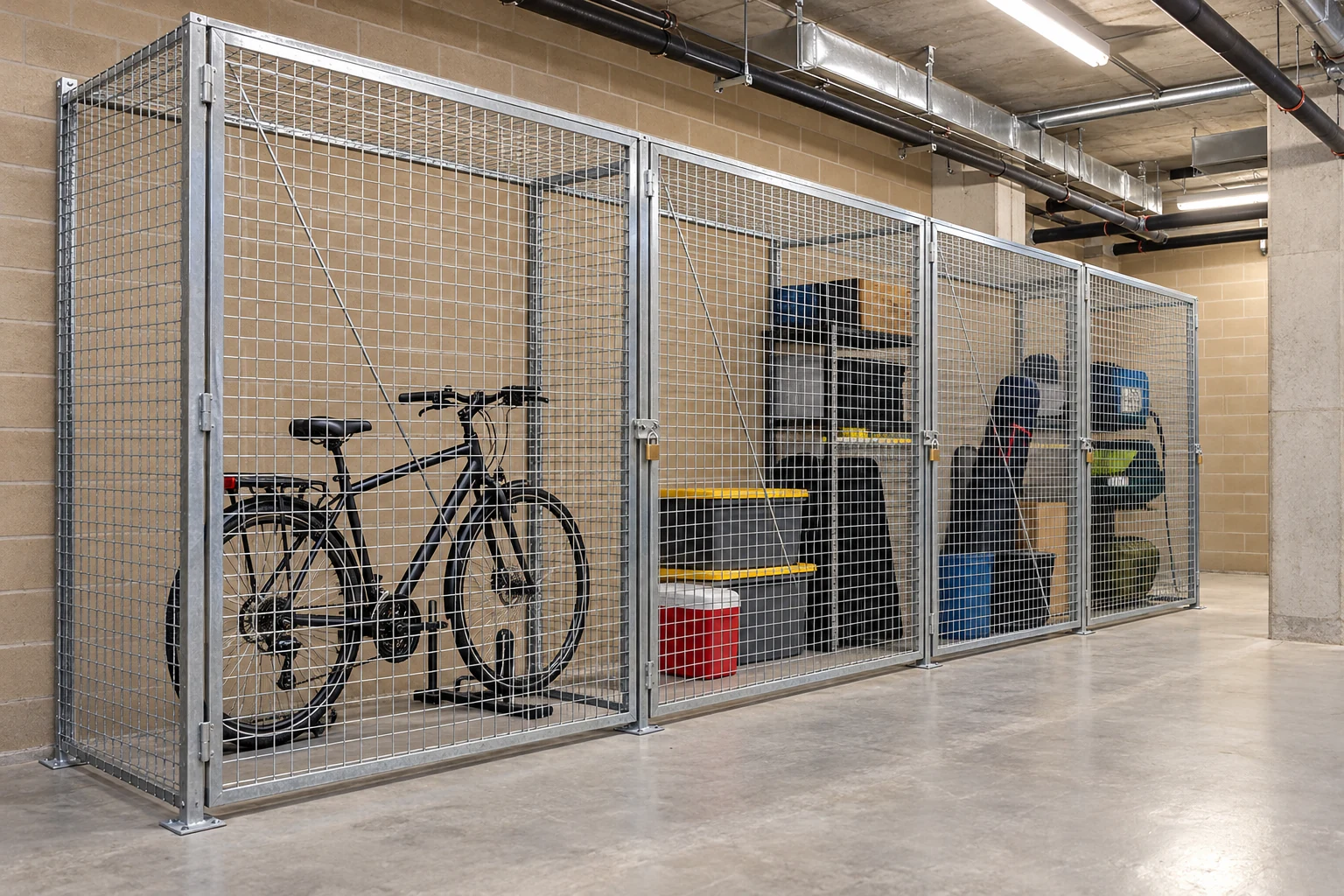
A bicycle fits a tenant locker only when it can travel through the building, turn through the doorway and stand inside without obstructing the door or shared aisle. Compare the actual bicycle and accessories with the complete route. Internal floor area alone can overstate how usable a compartment will be.
Measure the bicycle in its stored condition
Record overall length, handlebar width and height, including baskets, racks, child seats or other accessories that remain attached. Use the largest bicycle the compartment is expected to accommodate. A narrow frame does not describe the space occupied by its handlebars, pedals and wheels.
Decide how the bicycle will stand. A simple freestanding support creates a different arrangement from an approved wall or floor-mounted rack. Do not assume locker mesh is intended to carry a bicycle hook or other load. Any separate support and its attachments need to be specified for the installation.
Check the route before choosing the compartment
Trace the route from the building entrance to the storage-room door and then to the assigned locker. Note door openings, turns, slopes, thresholds and any elevator involved. The practical question is whether the intended user can move the bicycle through that route, not whether the bicycle could theoretically be dismantled to fit.
For example, a bicycle may fit lengthwise inside a locker but require more turning space outside its door than the room provides. The same compartment may work well when the door opens from a broad end aisle. Record that relationship on the plan before multiplying one bay across the room.
| Measurement | Include | Common omission |
|---|---|---|
| Bicycle envelope | Wheels, handlebars, pedals and retained accessories | Measuring the frame alone |
| Clear door opening | Actual usable opening with hardware | Treating nominal panel width as door clearance |
| Door movement | Full swing and space to stand | Ignoring the person handling the bicycle |
| Interior space | Bicycle support and other permitted contents | Filling every corner on paper |
| Shared route | Turns, thresholds and room entrance | Checking only the final locker |
Distinguish a tenant compartment from a dedicated bike locker
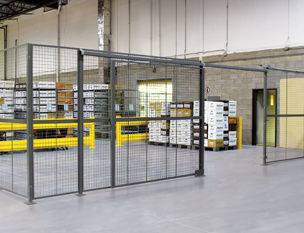
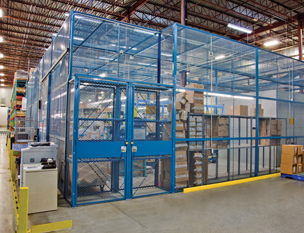
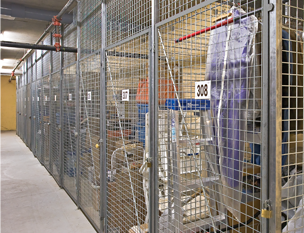
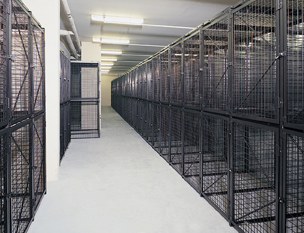
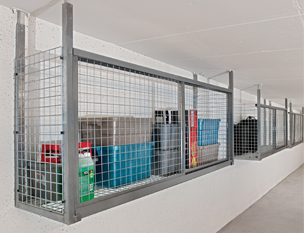
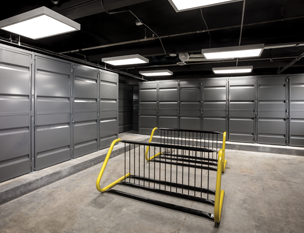
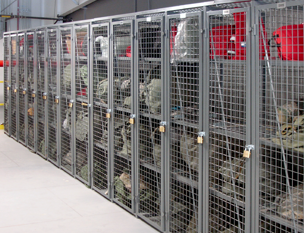
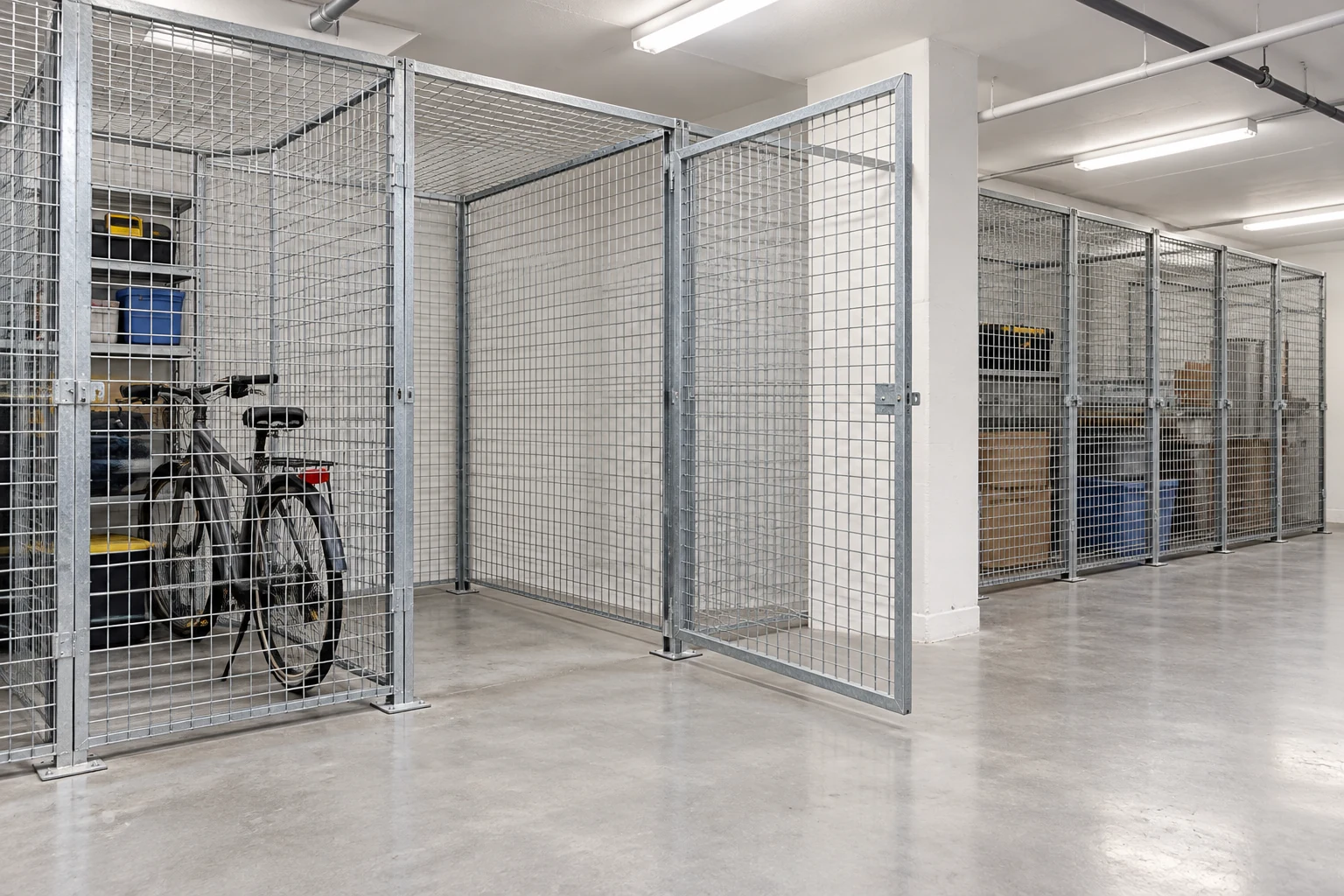
Cogan's single-tier tenant lockers divide a shared room into individual full-height storage compartments. Whether a proposed compartment suits bicycle storage depends on its dimensions, access and the building's storage policy. Searches for bicycle lockers also include specialized outdoor products; those are not interchangeable with an indoor tenant mesh enclosure.
An open mesh enclosure maintains visibility through its panels. If privacy, weather exposure or a specific security performance is required, state it explicitly rather than inferring it from the word “locker.” Compare the available configuration with the intended location and obtain confirmation of the specified product and support arrangement.
Plan daily retrieval, not just storage capacity
Consider what happens when two residents use adjacent lockers at the same time. Doors, bicycles and people should not depend on another assigned compartment being empty. Keep the shared aisle separate from the storage allocation so it does not gradually become overflow space for pumps, spare wheels or boxes.
If residents may store electric bicycles, define the permitted contents and any battery-related arrangements with the building's responsible team. Storage space and an approved charging installation are separate decisions. Do not add electrical equipment or promise charging capability as an incidental feature of the locker layout.
Make the assignment and handover clear
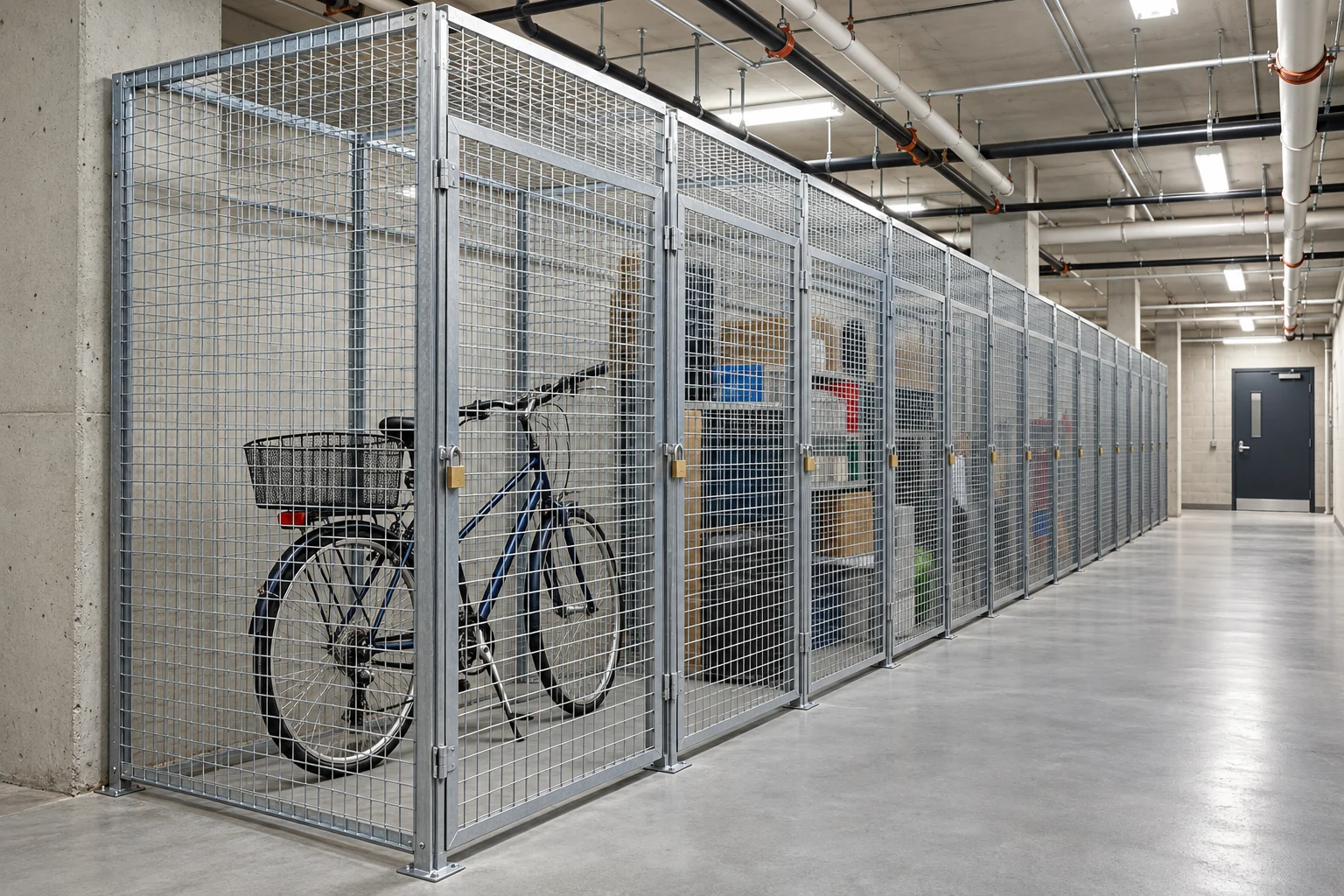
Use a compartment identifier that matches the storage-room plan. Explain the boundaries, access process and how to report a damaged door or obstructed route. The tenant locker turnover checklist helps managers keep assignments and physical condition aligned when residents change.
For a new row, prepare bicycle dimensions, a room plan, door information and photographs of the approach. The locker sizing guide covers the broader room-planning questions. Request a project quote with the intended bicycle-storage use identified so the enclosure can be reviewed around the actual items and route.
Frequently asked questions
Can any full-height tenant locker hold a bicycle?
Not necessarily. Confirm the bicycle envelope, door opening, interior arrangement and turning route using the proposed compartment dimensions.
Can bicycle hooks be fixed directly to locker mesh?
Do not assume the mesh is a suitable load support. Specify an appropriate bicycle support and obtain approval for its attachment arrangement.
Should accessories be removed when measuring a bicycle?
Measure the bicycle as it will normally be stored. Include baskets, racks and other accessories that residents are expected to leave attached.
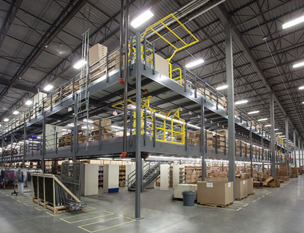
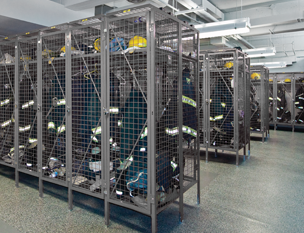
Images are conceptual product visualizations. Final configurations must follow the approved project drawings.
More on Lockers
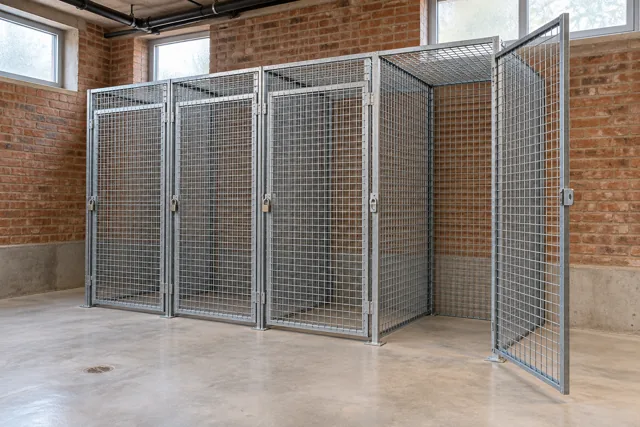
Tenant Storage Locker Turnover: A Checklist for Property Managers
Prepare tenant storage lockers for reassignment with a practical checklist for records, authorized access, condition, cleaning and handover.
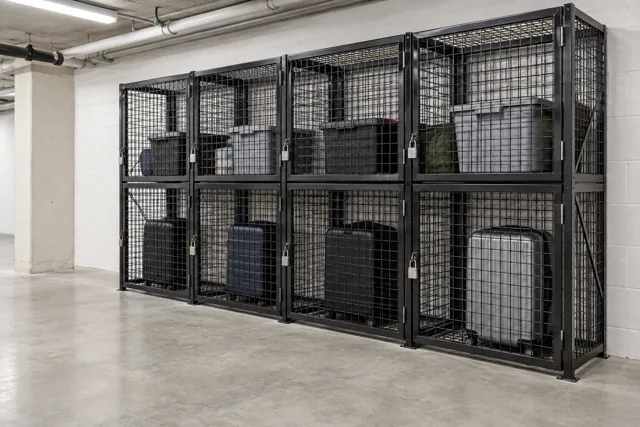
Single-Tier vs Double-Tier Storage Lockers: Compare Usable Access
Compare single-tier and double-tier tenant lockers by stored items, upper-compartment access, usable dimensions and allocation requirements.
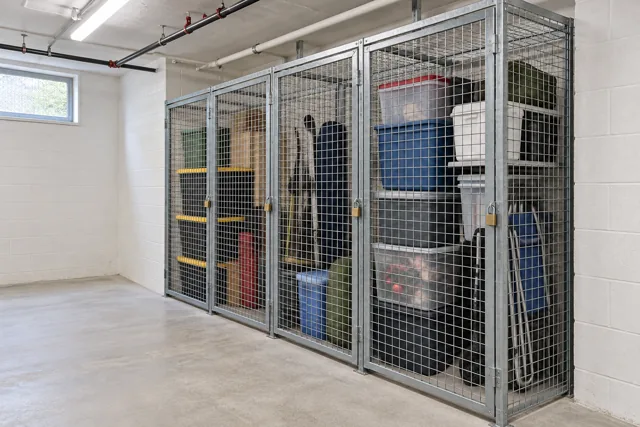
Tenant Storage Locker Sizes: Plan for the Items and the Aisle
Size tenant storage lockers for real household items, door openings and shared aisles. A practical planning checklist for apartments and condominiums.
© 2025 Cogan Wire and Metal Products Ltd., all rights reserved.