









Tenant Storage Locker Turnover: A Checklist for Property Managers
Tenant storage locker turnover works best as a documented handover: confirm the correct compartment and authority to access it, record its condition, complete any approved maintenance, and update the assignment before releasing it to the next resident. An apparently empty locker is not enough to establish that reassignment is ready.
Separate the assignment from the physical compartment
Give every locker a stable identifier linked to a storage-room plan. Keep the physical identifier separate from the resident's name so a change of occupant does not require reconstructing the room layout. The assignment record should show the compartment, current status, responsible manager and handover date.
Use simple statuses such as occupied, awaiting authorized clearance, maintenance hold and ready. This makes it harder for one staff member to promise a compartment while another is still resolving its condition or assignment. Restrict access to resident details in the management record; the public locker label usually needs only the compartment identifier.
Confirm access before starting clearance
Follow the property's approved tenancy, access and abandoned-property procedures before opening a locker or dealing with belongings. A vacancy report, a missing padlock or an unlabeled box should trigger a records check rather than an assumption about ownership. This checklist organizes the physical handover; it does not determine a landlord's rights to enter or remove property.
Once access is authorized, record the condition before cleaning or maintenance. A dated overview photograph and a few detail photographs help distinguish an old defect from a later report. Avoid photographing personal belongings more broadly than the authorized purpose requires.
| Handover stage | Record to keep | Reason to hold reassignment |
|---|---|---|
| Identity check | Locker ID matched to plan and assignment | Label or assignment does not match |
| Authorized clearance | Applicable approval or completed procedure | Ownership or access remains unresolved |
| Condition review | Door, mesh, connections and floor observations | Damage or a security gap needs assessment |
| Maintenance closeout | Work completed and person responsible | Defect remains open |
| Resident handover | New assignment and access instructions | Compartment is not ready for agreed use |
Inspect the boundary, not just the padlock
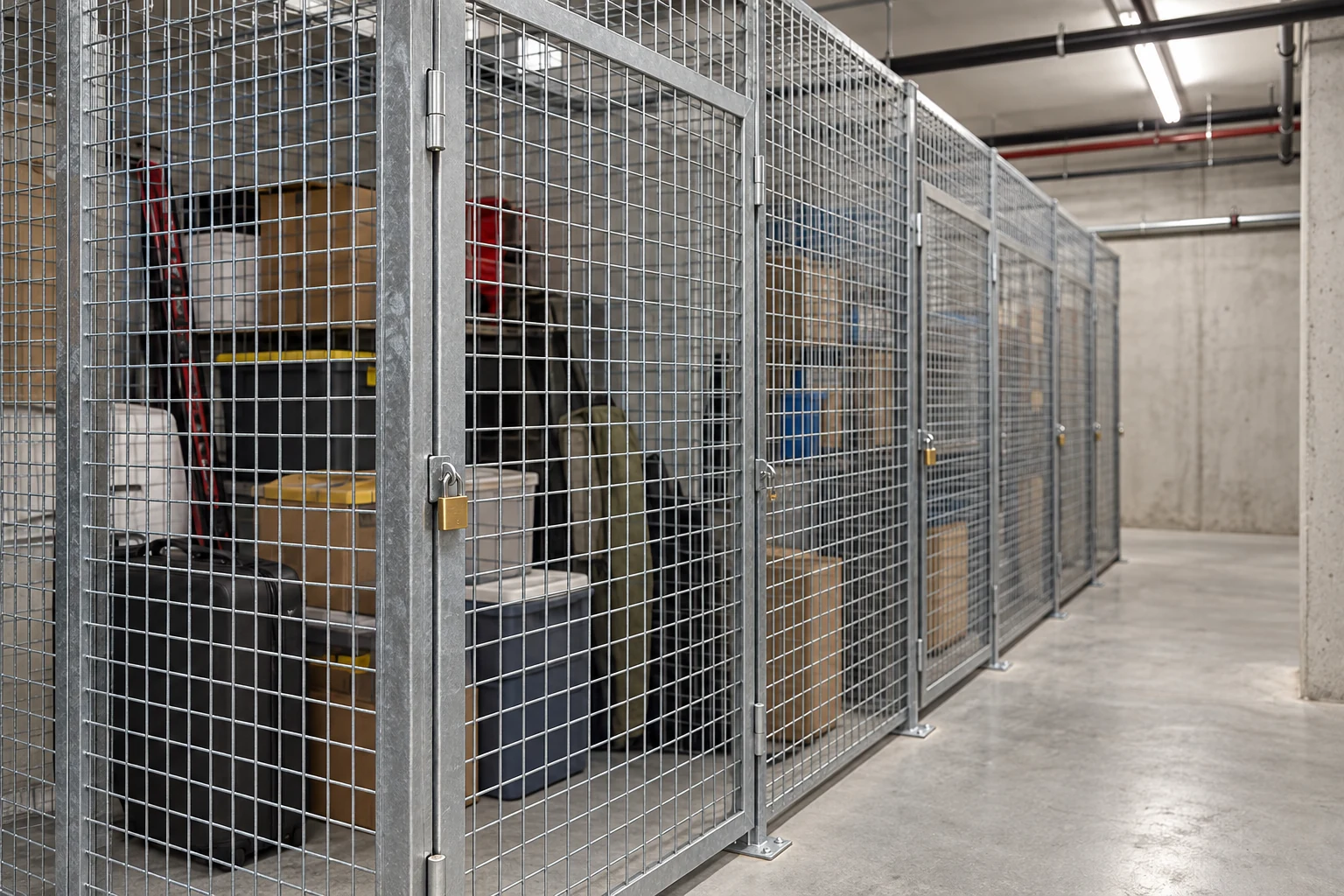
Check that the door opens and closes normally, the latch aligns, and the hinge and hasp are intact. Look for cut or displaced mesh, loose connections, gaps between compartments, damaged feet and evidence that a door has been forced. Record observations without trying to prove security by pulling or striking the enclosure.
Also inspect the surrounding space. A door can work correctly while stored items in the shared aisle prevent it from opening fully. A leak outside the locker can affect the next resident's belongings. Escalate building-condition issues through the property team rather than treating them as locker repairs.
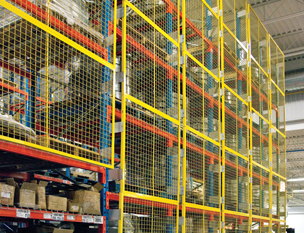
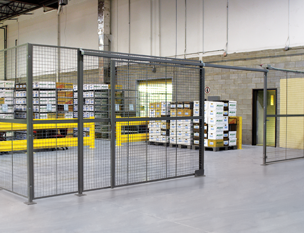
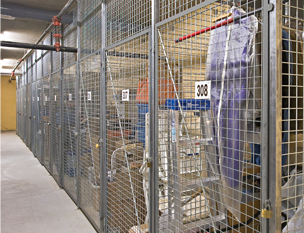
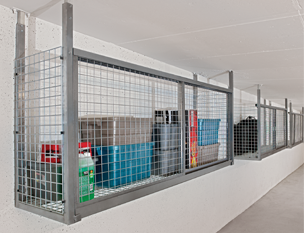
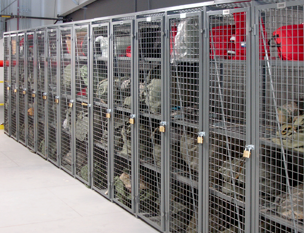
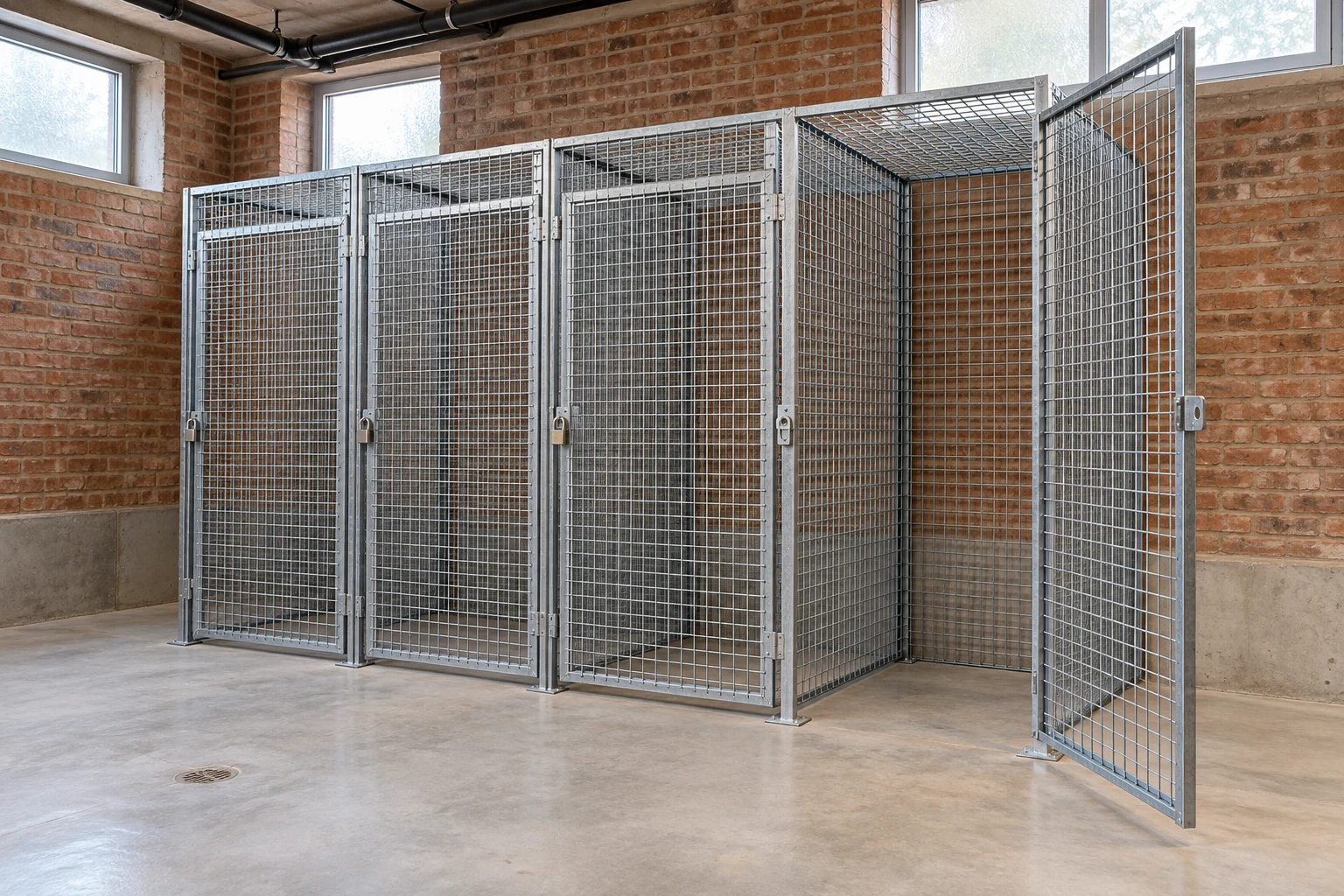
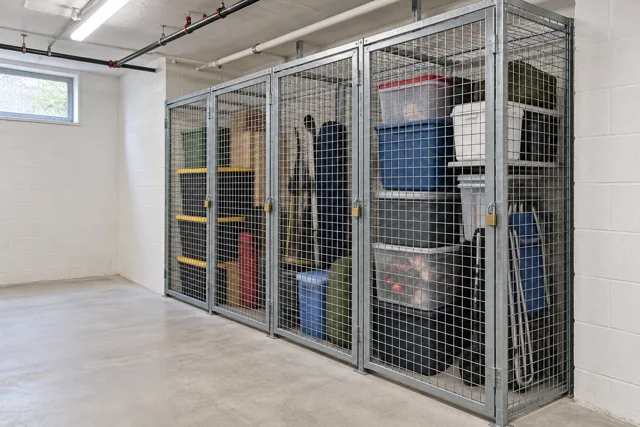
Cogan's single-tier tenant storage lockers provide full-height compartments with several enclosure arrangements. Confirm which arrangement is installed before ordering replacement components. A roofed compartment, a floor-to-ceiling installation and an open-top row have different interfaces to record.
Restore a usable compartment
Use the applicable product instructions for cleaning and maintenance. Avoid making field changes to mesh, hinges, frames or anchoring simply to make a misaligned door close. A fit problem may involve the adjoining panels or floor connection, so provide the installer with photographs of the full bay as well as the latch.
Check the agreed access method during handover. If the property supplies locks or credentials, follow its process for retiring the old access and issuing the new one. If residents supply their own padlock, explain the compatible hardware and the building's access procedure. Do not promise a particular security rating that has not been specified.
Give the next resident practical instructions
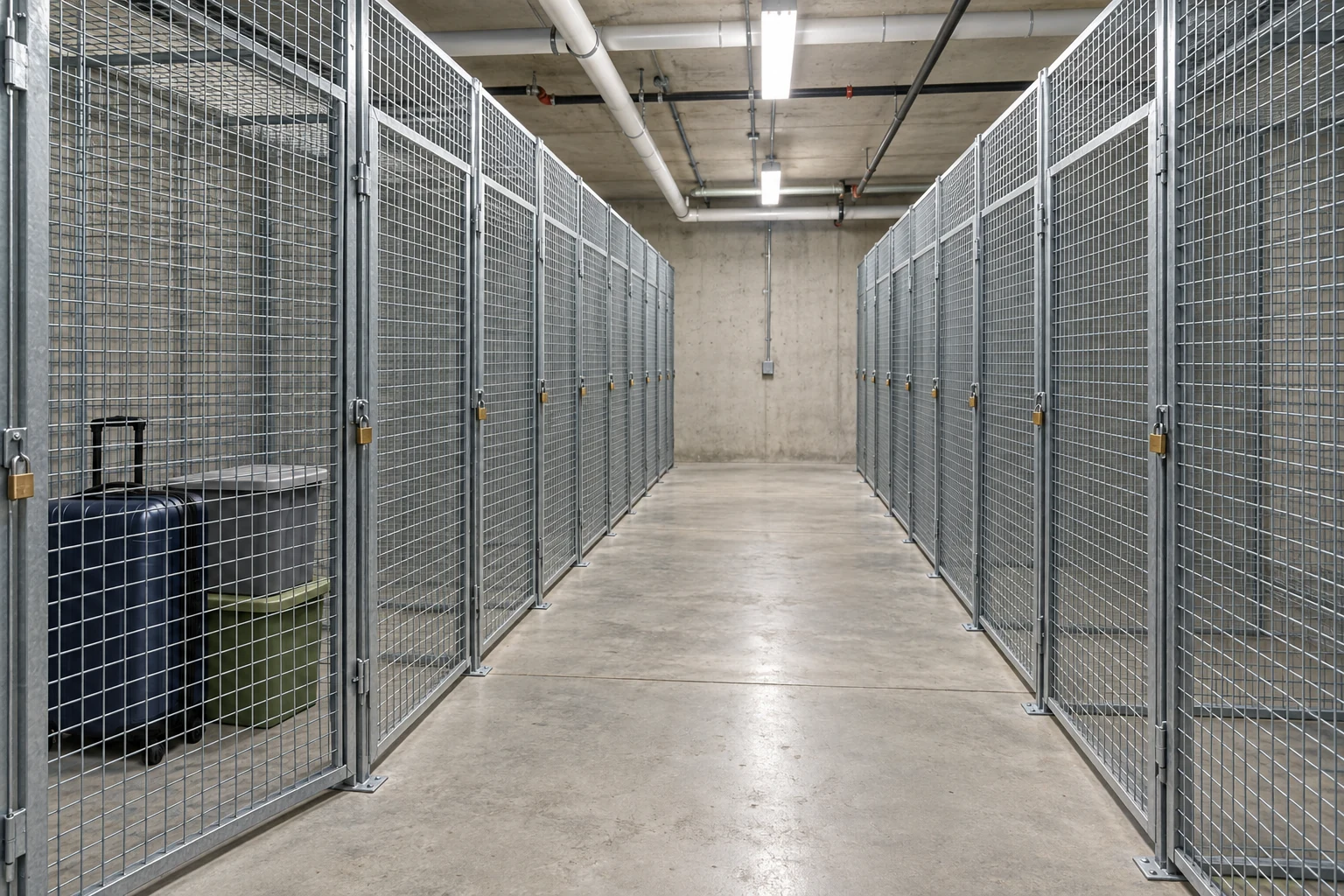
Show the resident the assigned compartment and the route to it. Explain storage boundaries, access hours where applicable, how to report damage or leaks, and the property's rules for permitted contents. Keep shared aisles and building-service access outside the assigned storage area.
Record dimensions and access limitations accurately. A full-height bay and an upper compartment in a double-tier row offer different usable access; the single-tier versus double-tier comparison explains the distinction. For a room redesign or replacement row, use the locker sizing guide and request a project quote with the measured plan.
Frequently asked questions
Does an empty locker mean it can be reassigned immediately?
No. Confirm the assignment and applicable access procedure, then close any condition or maintenance issues before marking the compartment ready.
What should a locker turnover record contain?
Include the compartment ID, assignment status, authorized clearance record, condition observations, completed maintenance and handover date. Keep resident information in the controlled management record.
Should a sticking locker door be forced into alignment?
No. Record the problem and have the door, adjoining panels and floor connections assessed using the applicable product instructions before making changes.
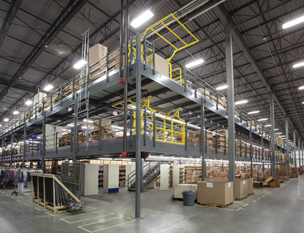
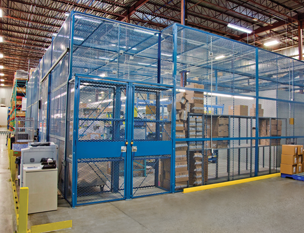
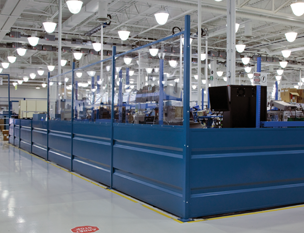
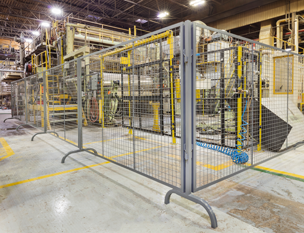
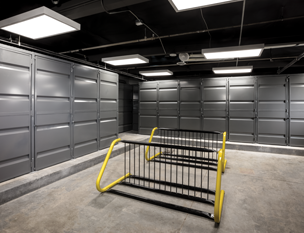
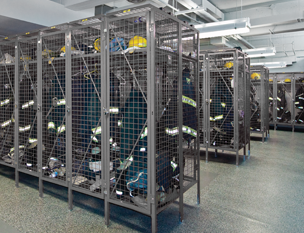
Images are conceptual product visualizations. Final configurations must follow the approved project drawings.
More on Lockers
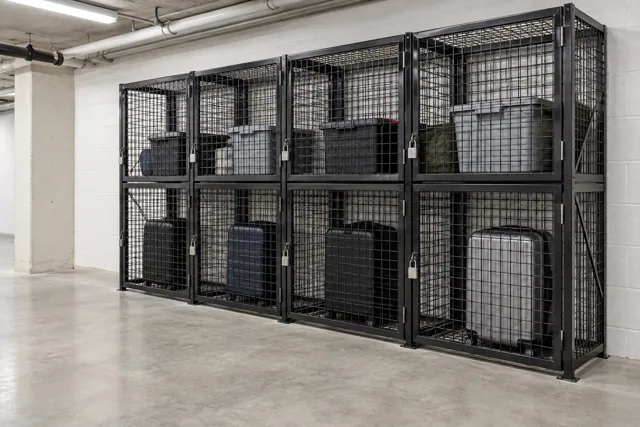
Single-Tier vs Double-Tier Storage Lockers: Compare Usable Access
Compare single-tier and double-tier tenant lockers by stored items, upper-compartment access, usable dimensions and allocation requirements.
Tenant Storage Locker Sizes: Plan for the Items and the Aisle
Size tenant storage lockers for real household items, door openings and shared aisles. A practical planning checklist for apartments and condominiums.

Wire Mesh vs Sheet Metal Lockers Guide
Compare wire mesh vs sheet metal lockers: visibility, ventilation, privacy, durability, and cost. Pick the right one for your building.
© 2025 Cogan Wire and Metal Products Ltd., all rights reserved.