



Machine Guarding Fences: What to Define Before Ordering Panels
A machine guarding fence is one part of a safeguarding design. Before ordering panels, define the machine hazards, access tasks, required separation and any safety-related gate or control functions. Fence height and color alone cannot establish that the complete machinery installation is adequately safeguarded.
Begin with the machine and its tasks
Identify normal operation, loading, clearing, inspection and maintenance. Determine where people need access and where the machine, tooling or material can move. Include abnormal but foreseeable tasks in the assessment performed by the responsible machinery-safety professionals.
For US installations, OSHA's general machine-guarding requirements address hazards such as moving parts, nip points and flying material. That is a reason to assess the actual hazards, not a basis for declaring a particular generic fence automatically compliant. Canadian installations require review under their applicable jurisdiction and standards.
Choose the enclosure material for the exposure
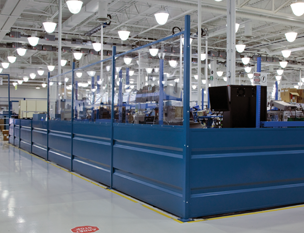
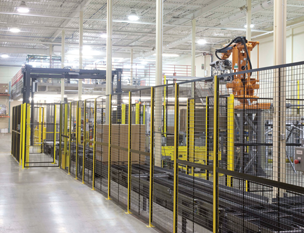
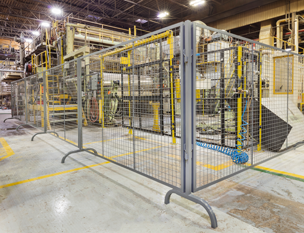
Mesh can provide visibility; solid panels can provide a different boundary. Neither should be selected on appearance alone. Reach-through, reach-over, projected material and process hazards need to be considered by the safeguarding designer.
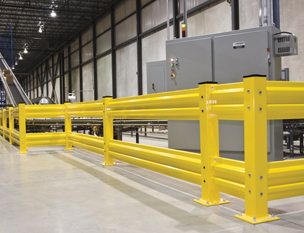
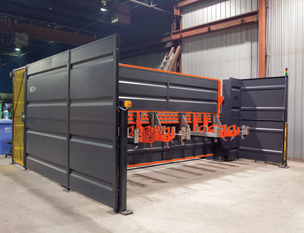
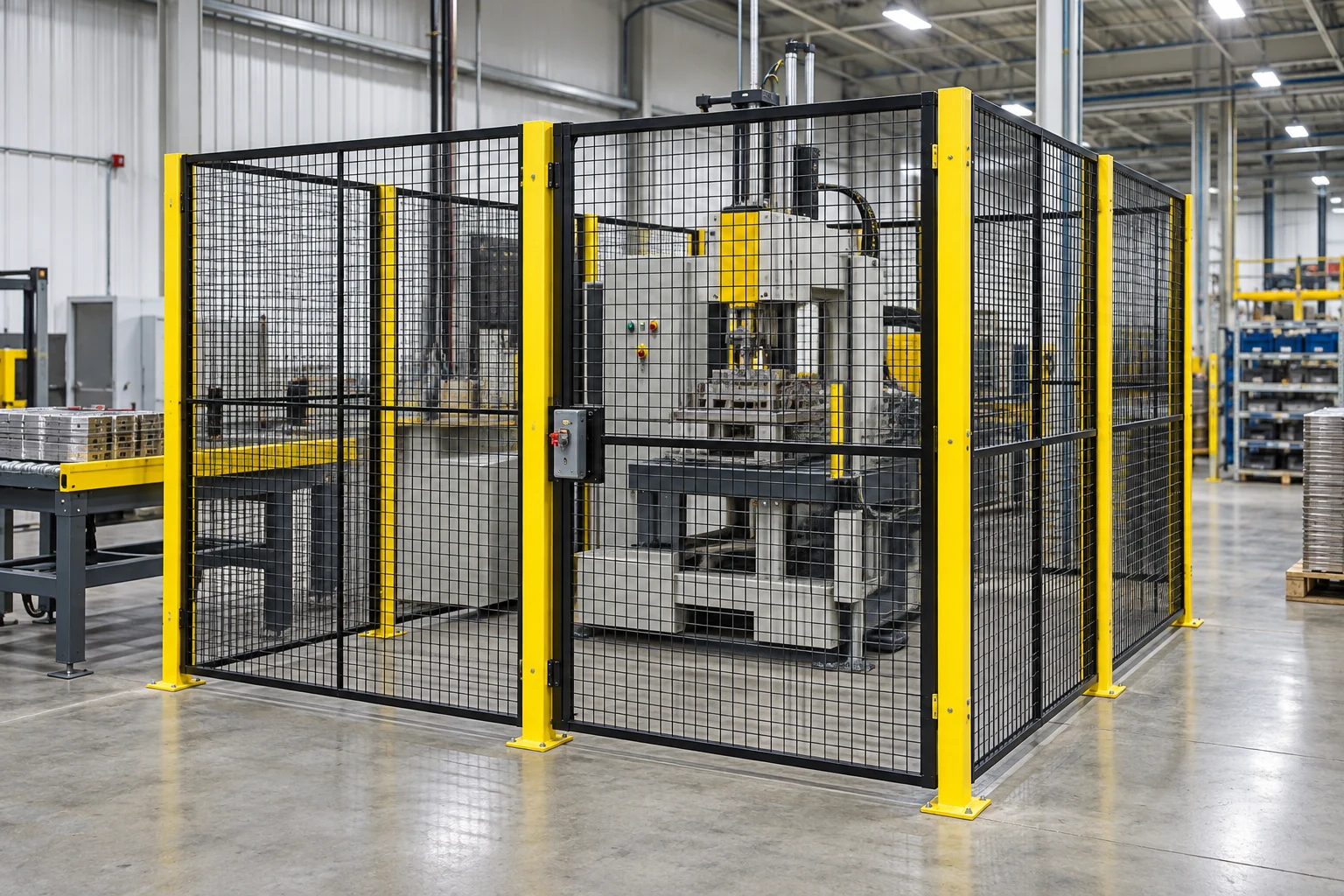
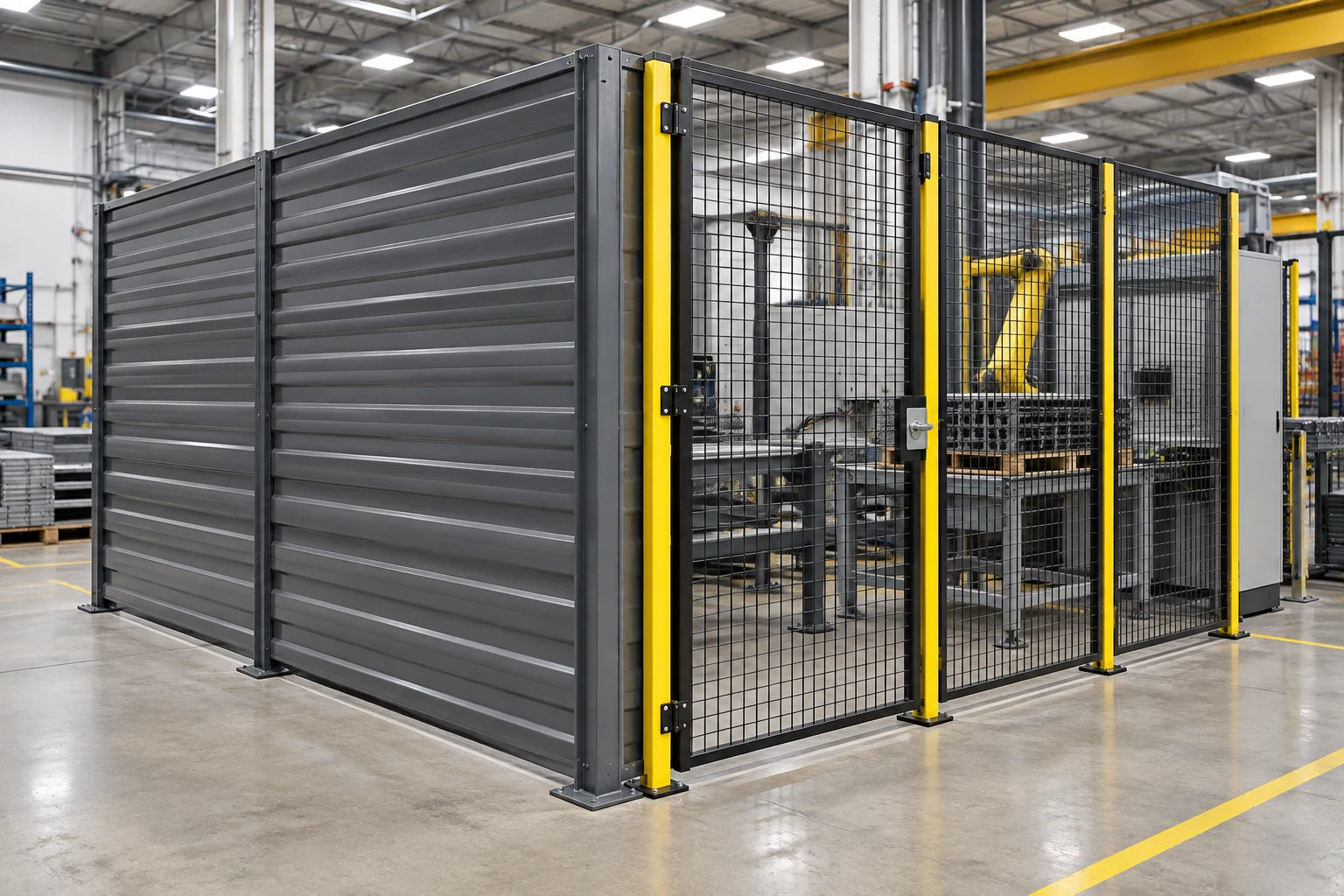
Cogan's robotic machine-guarding range uses steel construction with a safety-yellow and midnight-black finish and offers standard or custom sizes. Its general partition families offer other panel materials. Confirm which product and configuration suit the specified safeguarding design.
Coordinate access with the controls
| Access task | Design question |
|---|---|
| Routine material loading | How is access managed during the operating cycle? |
| Inspection | Can the task be completed from the intended position? |
| Maintenance | What controlled access and isolation procedures apply? |
| Gate entry | What safety-related functions are required? |
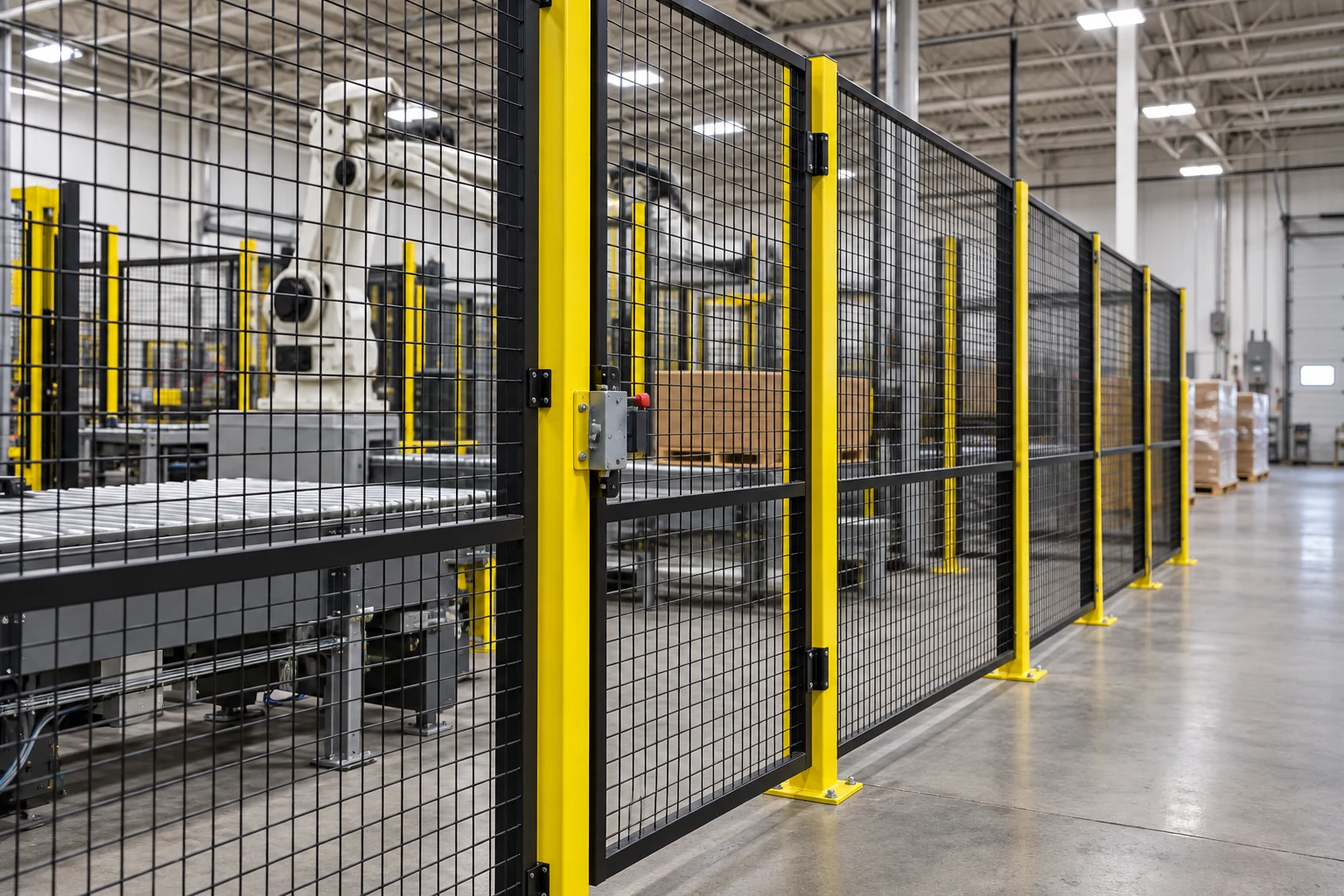
Do not assume a mechanical latch, padlock or self-closing gate supplies a required interlock or safety-control function. Define the controls and their integration separately with the responsible specialists. The fence supplier and machine team need a coordinated specification.
Verify the installed arrangement
The final design should identify panel positions, openings, gates, supporting details and the interfaces with machinery controls. Changes made during installation can affect the safeguarding assumptions and should be reviewed.
Before the machine enters service, complete the relevant validation and handover process for the full system. Keep drawings, component identification and maintenance responsibilities available. Review the guarding whenever machinery, tooling, loads or access tasks change.
Questions buyers ask
Does buying a machine fence make the machine compliant?
No. Compliance and suitability depend on the complete safeguarding design, installation, controls and applicable requirements.
Is ordinary mesh suitable for every machinery hazard?
No. Material, openings, distance and other characteristics must be selected against the actual hazard assessment.
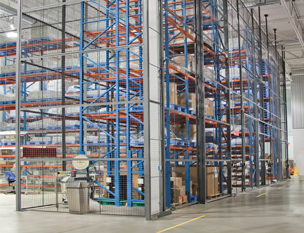
Can a storage-cage gate serve as a safety-interlocked gate?
Do not assume so. Required safety functions and integration need to be specified and validated for the machinery application.
Product references and next step
See Cogan machine guarding and OSHA 1910.212. Provide the safeguarding specification with your Cogan enquiry.
More on Partitions
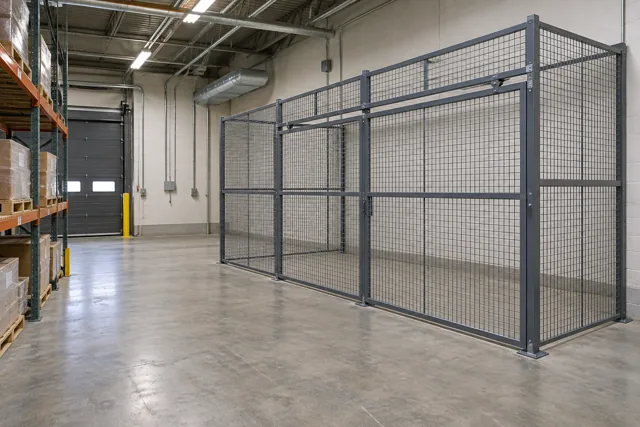
Relocating Wire-Mesh Partitions: What Can Be Reused?
Assess panels, posts, gates and new site conditions before relocating a wire-mesh enclosure. Build a reuse inventory and a revised layout.
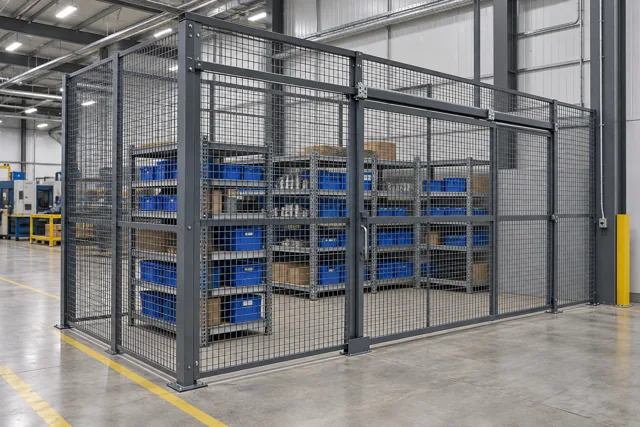
Wire-Mesh Storage Cages: Plan Access from Receiving to Retrieval
Plan a wire-mesh storage cage around receiving, access control, carts and retrieval. Coordinate the gate, storage layout and daily operating rules.
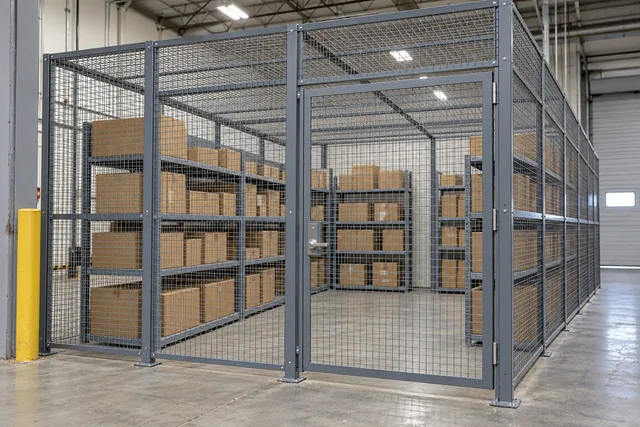
DEA Storage Cages: Define the Regulatory Scope Before Ordering
A DEA storage-cage project must begin with the applicable security requirements and the type of operation and controlled substances involved.
© 2025 Cogan Wire and Metal Products Ltd., all rights reserved.