




Pallet Rack End Protectors: Plan the Cross-Aisle Before Ordering
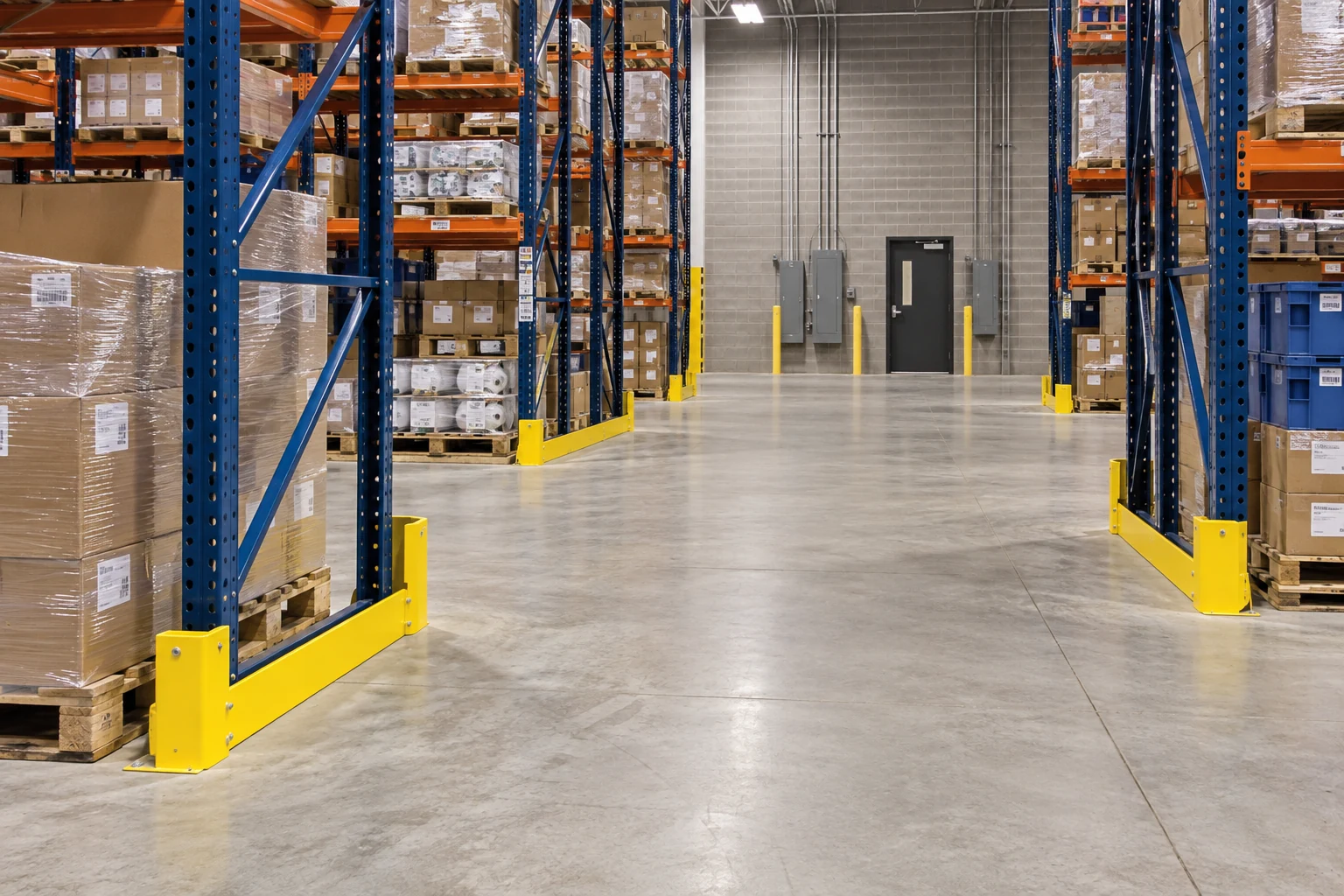
Plan pallet rack end protectors around the way vehicles and loads approach the exposed end of each row. Identify the uprights at risk, the turning movement at the cross-aisle and the access required for picking. Then choose a complete protection arrangement with the appropriate supporting conditions and installation instructions.
The end of a rack row is a different planning location from an upright partway down an aisle or the back of a rack beside an occupied area. Start with the exposure at each location so that the selected product addresses the intended problem.
Observe the cross-aisle movement
Record which vehicles use the intersection and how they turn with their largest normal loads. Note pallet overhang, attachments and changes in travel direction. The vehicle body is only part of the moving envelope; a handled load can extend beyond it.
Use that information to identify likely approach directions to the row end. Check whether queued pallets or temporary staging narrow the route during a busy shift. Protection planning should use the operating aisle, not an idealized empty floor that only exists before work starts.
Distinguish row-end, upright and rack-back protection
These product names describe different locations and functions. They should not be treated as interchangeable accessories simply because all appear beside pallet racking.
| Product arrangement | Main location to assess | Key planning question |
|---|---|---|
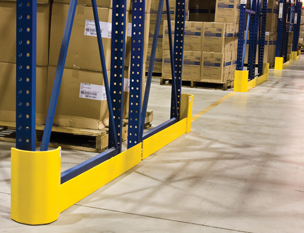
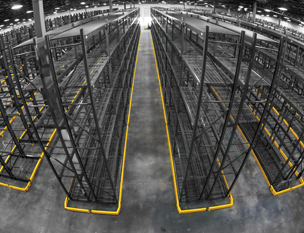
| Row-end or aisle-end protector | Exposed rack end beside a cross-aisle | What approach and turning movements expose the row end? |
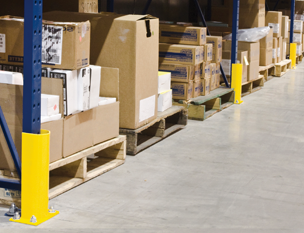
| Rack post protector | A vulnerable individual upright | Does the proposed protector suit the upright, floor and access needs? |
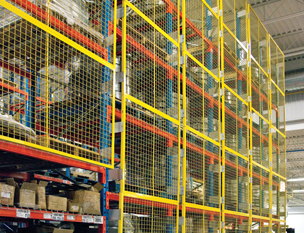
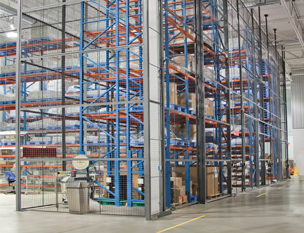
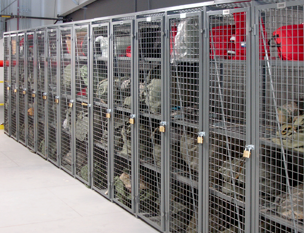
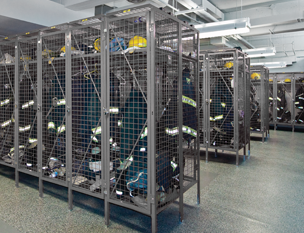
| Wire-mesh rack-back guard | Back of a rack adjoining another area | What stored-material exposure and guarding arrangement must be addressed? |
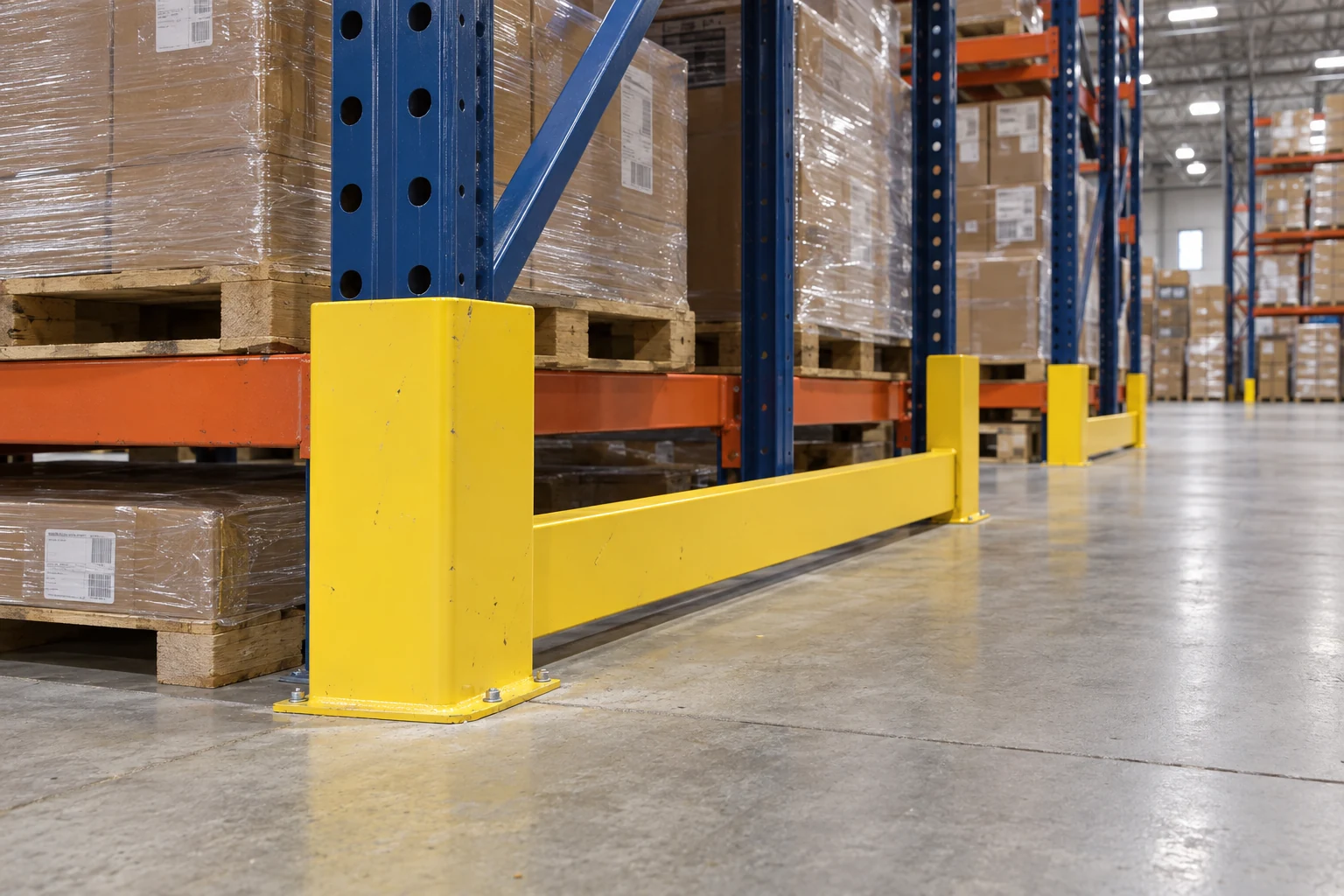
Cogan's Rack Pal protectors address rack-aisle-end locations. Rack post protectors focus on vulnerable uprights. Wire-mesh rack guards have a different role at the rack boundary; they should not be substituted for an impact-protection arrangement without an appropriate review.
Measure around the upright and the load
Document the rack dimensions, upright locations, existing baseplates and proposed protection footprint. Show the relationship to adjacent pallet positions and the cross-aisle. Check that the planned protector does not obstruct normal placement or retrieval and that the vehicle route remains suitable for the equipment and loads.
Avoid choosing an offset or anchor position from a photograph. The correct arrangement depends on the selected product and site. Provide available slab information and identify floor joints, damage or other installation concerns for review before drilling is planned.
Specify the complete installed system
A quotation should identify the protection components, anchoring requirements, supporting conditions and installation scope. If a performance claim is part of the selection, ask what configuration and conditions support it. Do not transfer an impact rating from a different product, mounting arrangement or test case.
Protection also does not repair an already damaged rack. If an upright, connection or other rack component appears damaged, follow the facility's process for isolating and assessing the affected area through qualified personnel. Adding a protector in front of the damage is not a substitute for that assessment.
Include inspection and everyday access
Keep the protection visible enough to inspect and avoid storing loose materials against it. Establish a process for reporting contact, loose components or changes in alignment. After an impact, evaluate the protector, its installation and the adjacent rack as appropriate; a quick coat of paint should not be treated as verification of condition.
Review the layout when trucks, loads or traffic routes change. A protector selected for one operating arrangement should not automatically be assumed suitable for another. Send a measured plan, vehicle and load details, photographs and installation information with your Cogan quote request. The rack protection guide can help organize the product discussion.
Frequently asked questions
Are rack-end protectors and rack post protectors the same?
No. Row-end arrangements address an exposed rack end, while post protectors focus on individual uprights. Select them according to the locations and contact exposures identified in the layout.
Can I install a protector on any concrete floor?
Do not assume so. Review the selected product's anchoring and supporting requirements against the actual floor conditions before installation.
Does rack protection eliminate the need to inspect racking?
No. Protection is part of the facility arrangement and does not replace rack inspection, impact reporting or assessment of damaged components.
Sources and further planning
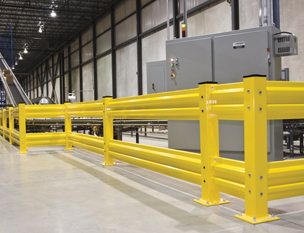
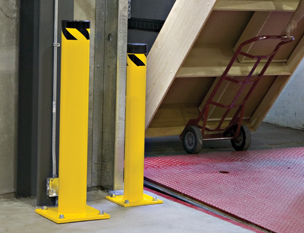
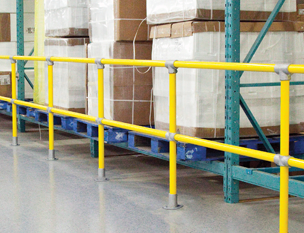
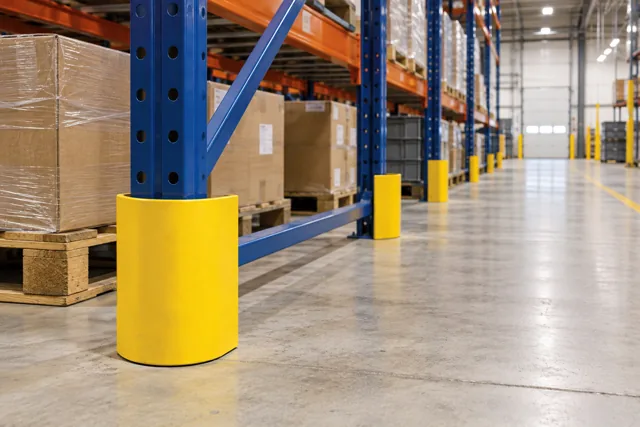
Images are conceptual product visualizations. Final configurations must follow the approved project drawings.
More on Rack Protection
Pallet Rack Column Protectors: Check Fit, Footprint and Fork Clearance
Measure upright geometry, baseplates, anchors and truck clearance before selecting pallet rack column protectors for an existing installation.

Pallet Rack Backing: Plan Mesh Coverage and Load Clearance
Plan pallet rack backing around stored materials, exposed areas, panel coverage, stand-off clearance and the rack mounting arrangement.
© 2025 Cogan Wire and Metal Products Ltd., all rights reserved.