





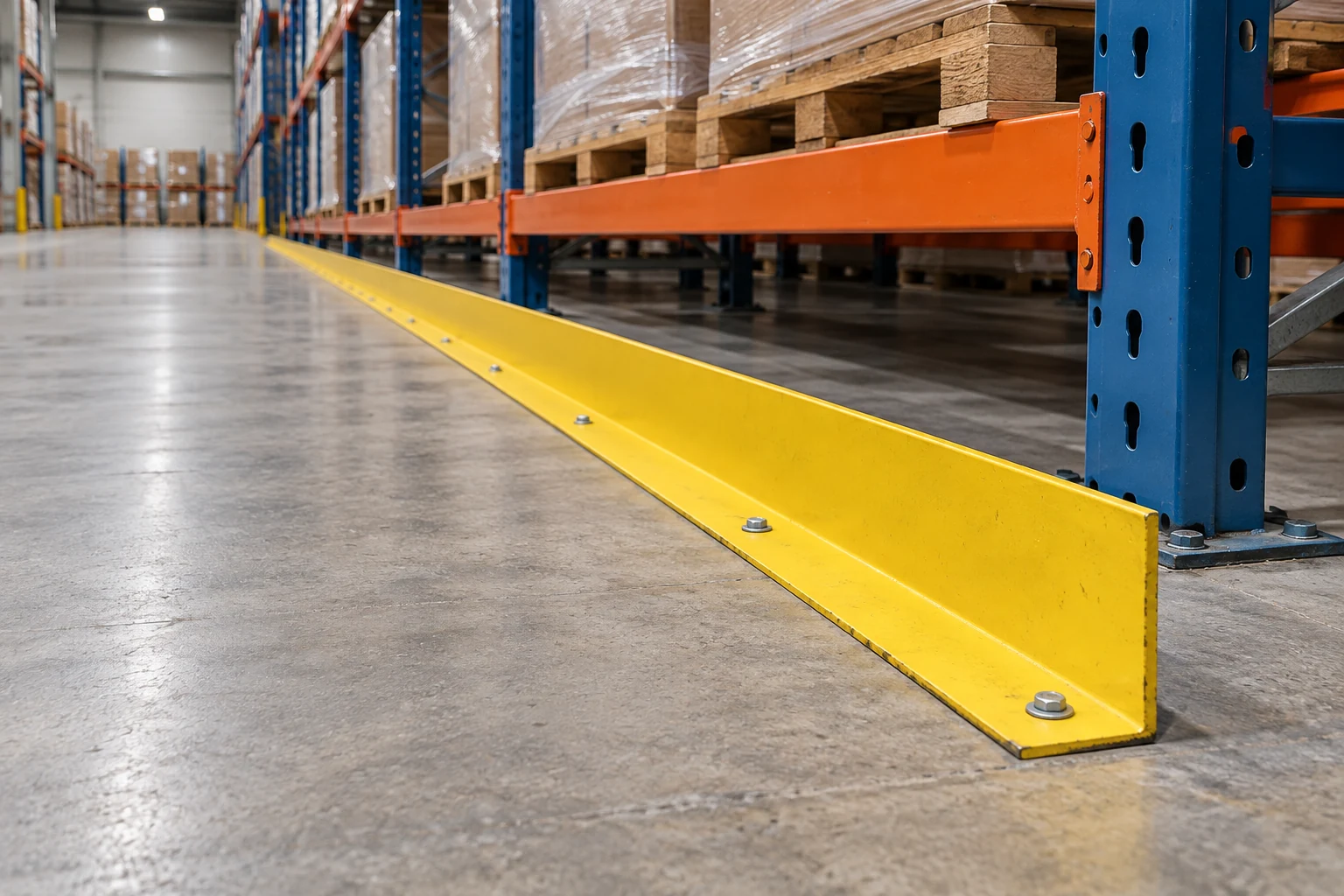
Floor Angle Guides: Where Low-Level Rack Protection Fits
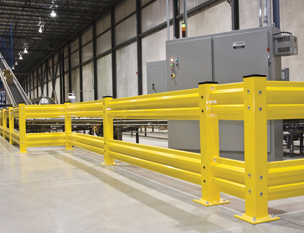
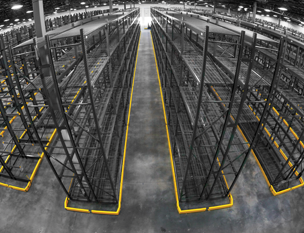
Floor angle guides create a low boundary along a rack or other protected area. They are useful to evaluate where the exposure is close to the floor and a continuous run is appropriate. Compare their coverage, mounting and operating clearances with individual rack post protectors and end guards before specifying a layout.
Identify the height and direction of the exposure
Start by documenting what could approach the rack: a wheel, fork, pallet or another part of the handling equipment or load. A low guide and a taller protector cover different areas. Do not assume one component addresses every contact exposure simply because it sits in front of the rack.
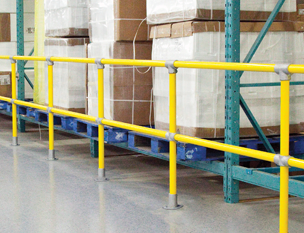
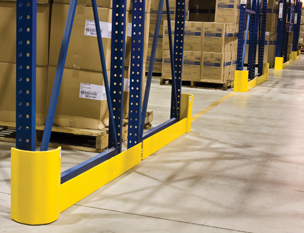
Cogan's floor angle guide uses a structural steel angle mounted at floor level. The horizontal leg provides the mounting footprint and the vertical leg forms the low boundary. Its suitability depends on the selected system and the actual equipment, floor and layout conditions.
Compare complementary forms of rack protection
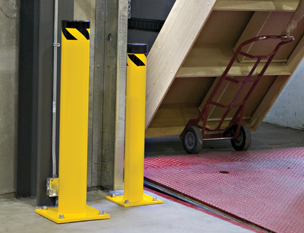
An individual post protector concentrates coverage around an upright. An end guard covers a longer exposed rack boundary. A floor angle can provide a low continuous line along a selected run. These can be complementary components, but their combined footprints and connections must still be reviewed.
| Protection approach | Main layout question | Information to provide |
|---|---|---|
| Floor angle guide | Where should the low boundary run and stop? | Equipment envelope, run length and crossings |
| Individual post protector | How does it fit the upright and base? | Post, baseplate, anchor and brace geometry |
| End-of-aisle guard | What is exposed at the rack end? | Cross-aisle movement and pallet overhang |
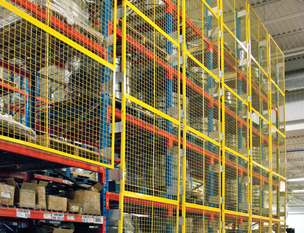
| Rack backing | What boundary is needed behind stored goods? | Load depth, panel coverage and rack interfaces |
The column-protector clearance guide and rack end-protection guide cover the first two alternatives in more detail. The purpose of this comparison is to identify coverage, not rank products by an unsupported universal strength claim.
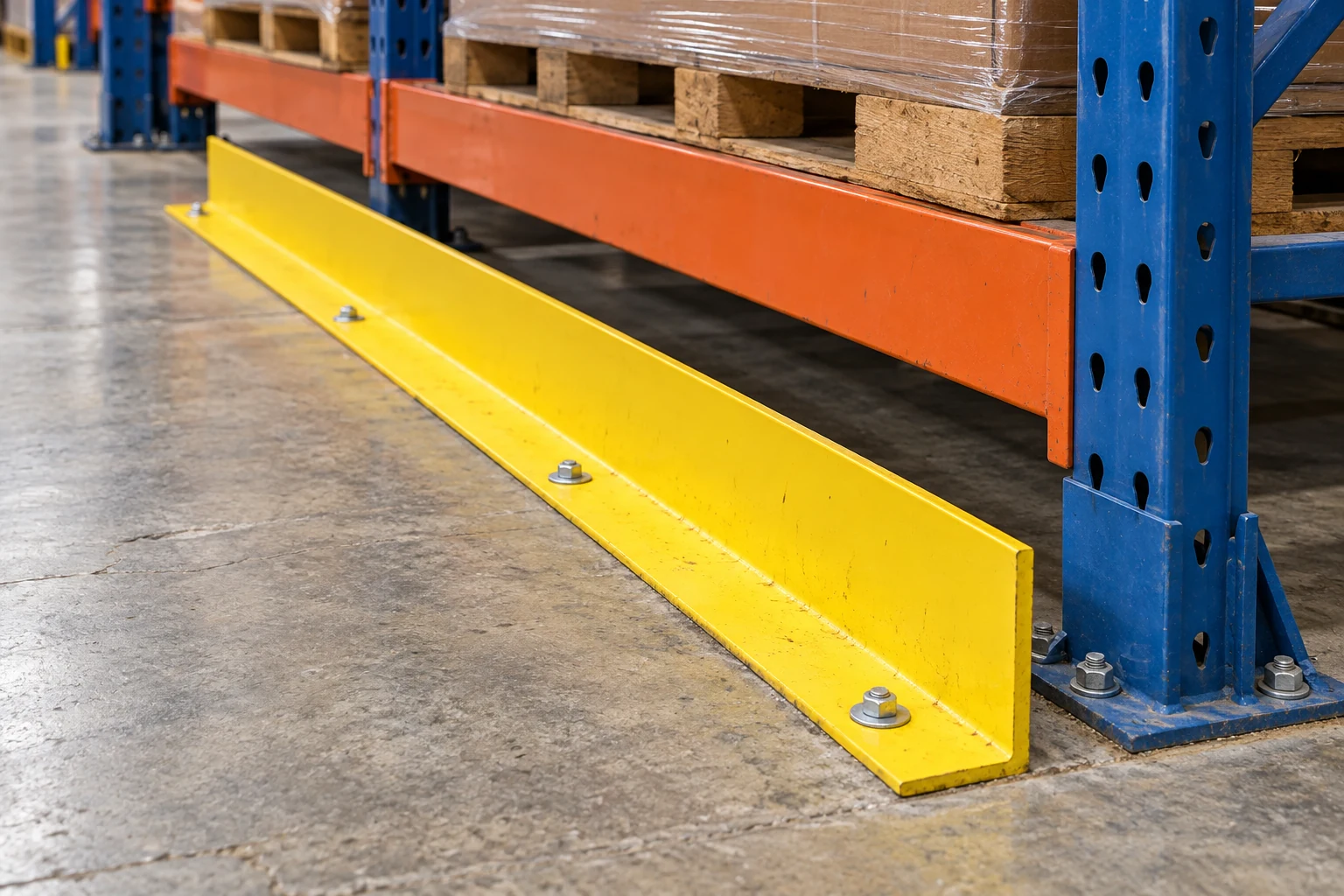
Resolve guide ends and crossings deliberately
Mark every termination on the plan. A guide that ends near a turn, door or picking position needs review of the movement around that end. Show how people and equipment enter and leave the aisle; a continuous line on a drawing should not become an obstruction across a required walking route.
Include normal pallet and load positions. The protector's footprint and any projecting material both reduce the space available for movement. Check the complete arrangement instead of measuring only between rack frames. Make sure temporary staging is included in the operating discussion so a clear design does not rely on an aisle remaining empty when it normally is not.
Confirm compatibility with the handling system
The phrase “forklift guide rail” can describe different products, including purpose-designed guidance arrangements for particular trucks. Do not infer that a general protective floor angle is compatible with a truck's guidance system. Obtain the equipment manufacturer's requirements and coordinate them with the rack and protection supplier.
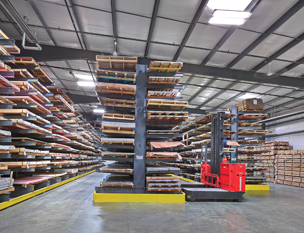
Record the truck model, relevant attachments, load envelope and operating method. If the aisle arrangement is changing, have the combined layout reviewed before ordering steel. For cantilever applications involving specialized handling, the narrow-aisle planning guide explains why equipment selection comes before the final aisle dimensions.
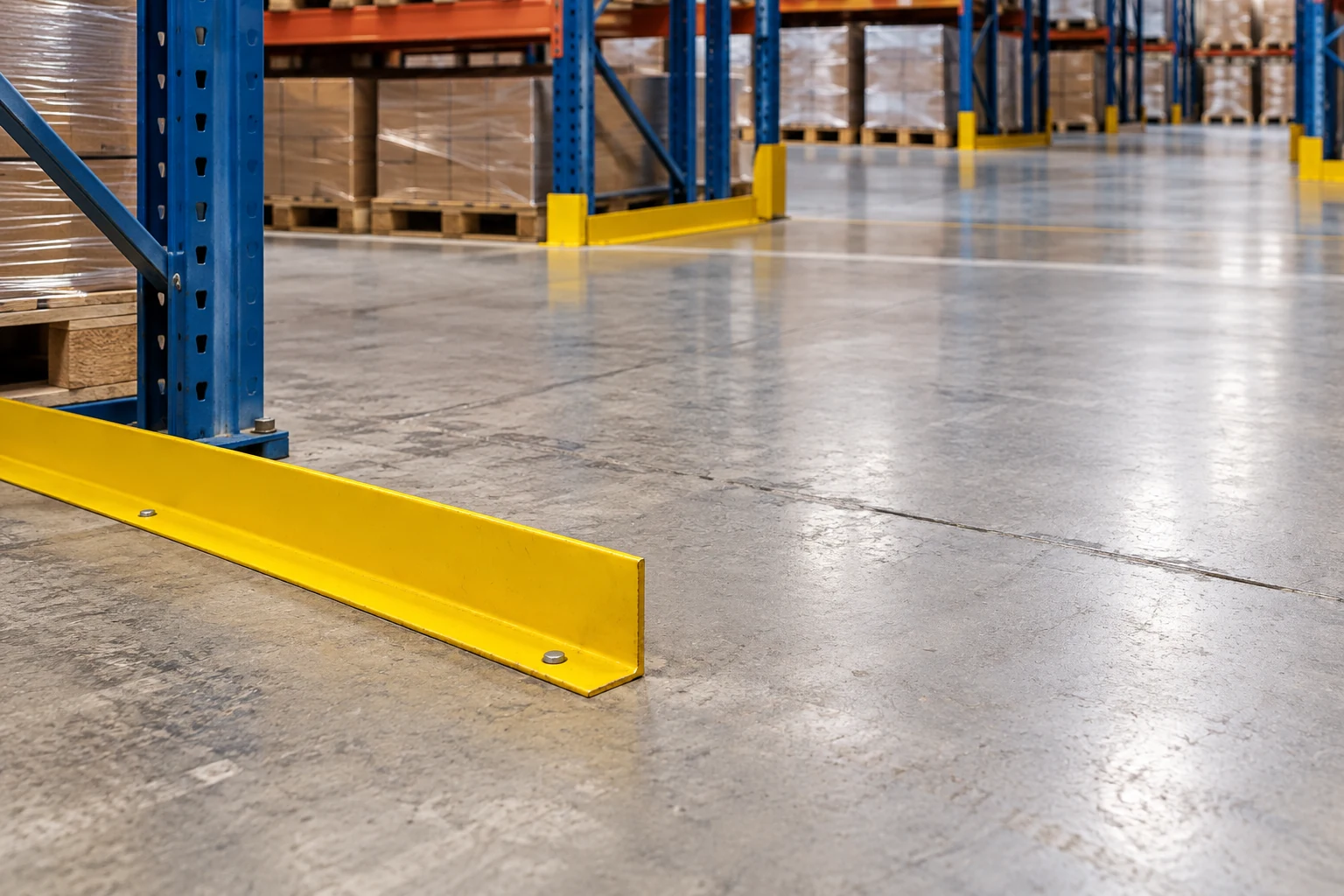
Survey the mounting surface and installation scope
Mark concrete joints, visible defects, existing anchors and known restrictions around the proposed line. Supply available slab information to the responsible designer and installer. The required anchor system and installation procedure must suit the actual product and floor; this guide does not prescribe drilling positions or anchor sizes.
Check who supplies end details, connections, delivery and installation. Compare quotations against the same marked layout so differences in length or omitted site work do not masquerade as equivalent systems. Keep the final installation documents with the rack records and report damaged or displaced protection through the site's normal process.
Explore Cogan rack protection and request a project quote with the complete operating and floor survey. A clearly defined low-level exposure is more useful than a request for a certain number of feet of yellow steel.
Frequently asked questions
Can a floor angle replace every rack post protector?
No. The components provide different coverage. Review the contact exposure, height, footprint and complete layout before deciding which combination is appropriate.
Are all forklift guide rails interchangeable?
No. The term can refer to different protective or equipment-guidance systems. Confirm compatibility with the handling-equipment manufacturer and the proposed installation.
Where should a floor angle guide stop?
Its termination should follow the approved layout and movement review. Show turns, doors, crossings and load positions so the guide does not create an unplanned obstruction.
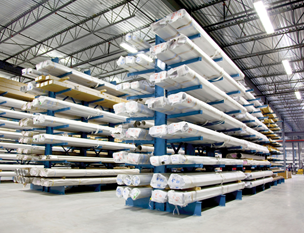
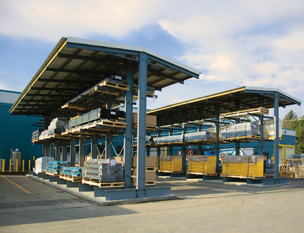
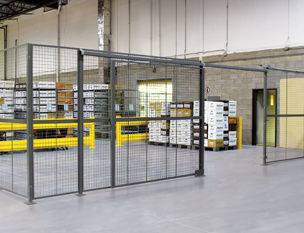
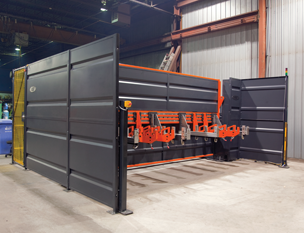
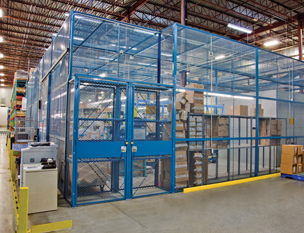
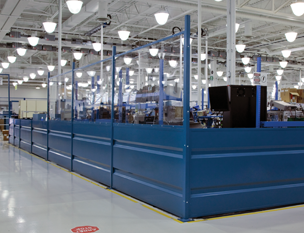
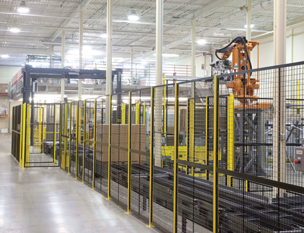
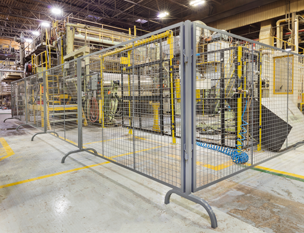
Images are conceptual product visualizations. Final configurations must follow the approved project drawings.
More on Rack Protection
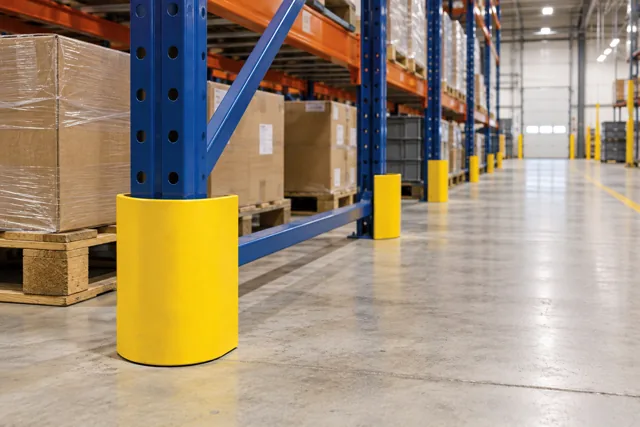
Pallet Rack Column Protectors: Check Fit, Footprint and Fork Clearance
Measure upright geometry, baseplates, anchors and truck clearance before selecting pallet rack column protectors for an existing installation.

Pallet Rack Backing: Plan Mesh Coverage and Load Clearance
Plan pallet rack backing around stored materials, exposed areas, panel coverage, stand-off clearance and the rack mounting arrangement.

Pallet Rack End Protectors: Plan the Cross-Aisle Before Ordering
Choose rack-end protection around upright exposure, turning movements and picking access. Compare row-end guards, post protectors and rack-back guards.
© 2025 Cogan Wire and Metal Products Ltd., all rights reserved.