




Used vs New Cantilever Racking: What to Compare Before Buying
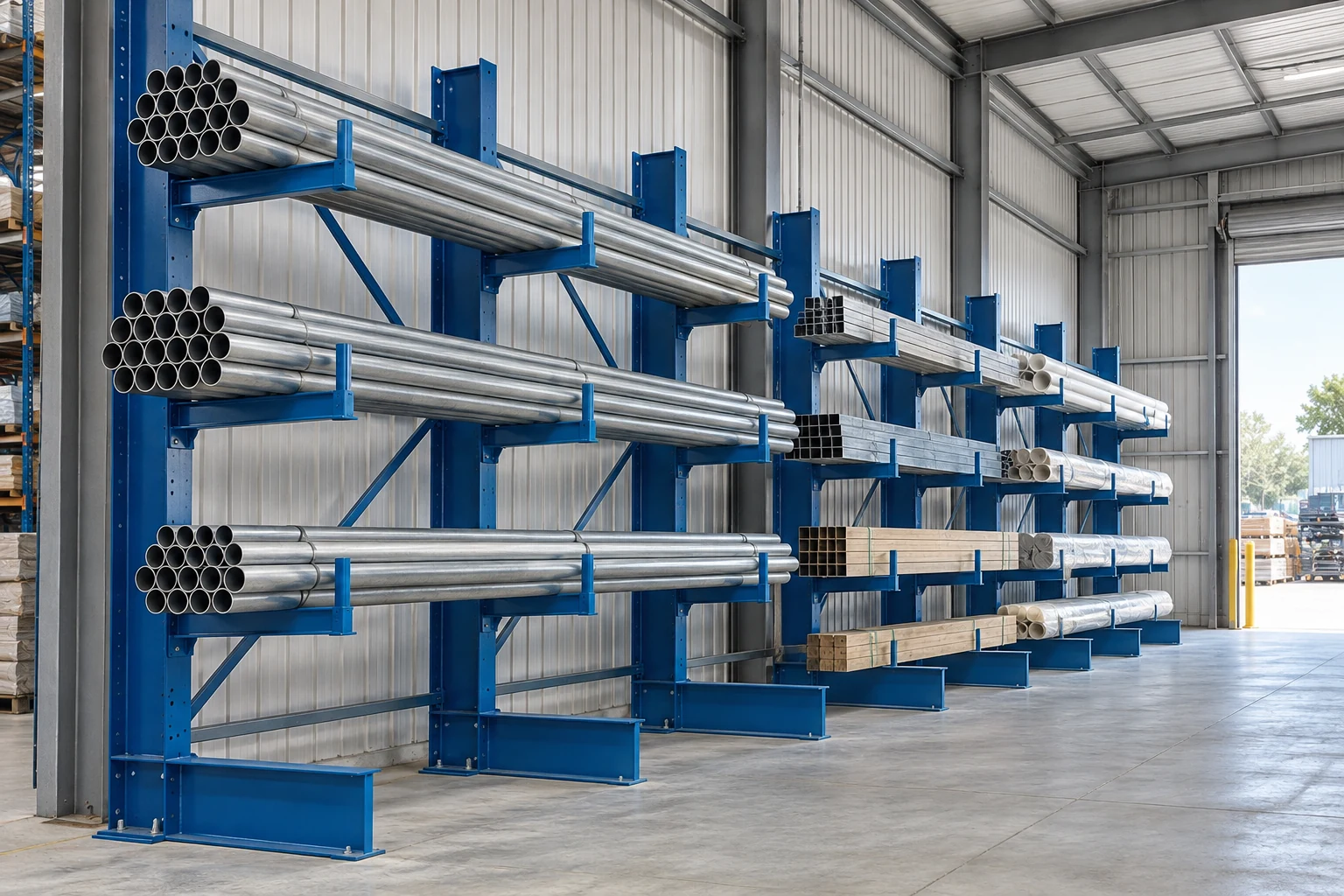
Compare used and new cantilever racking on suitability, documented capacity, condition, completeness and installed scope. A low purchase price does not establish that a used rack matches your loads or can be installed as supplied. Start with the storage requirement, then assess each proposed system against it.
Establish the required configuration first
List load dimensions and weights, support requirements, arm lengths, storage levels and handling equipment. Decide whether the rack will be indoors or outdoors and whether access is needed from one or both sides. These inputs provide a fair comparison between proposals.
Without that specification, an attractive used package can drive the warehouse toward a layout that does not fit its inventory. The cost of missing parts, revised handling or unsuitable storage positions can be difficult to see in a simple equipment listing.
Check the documentation and identity
Ask for the manufacturer, component identification and original design information. Determine whether the available capacity documentation applies to the actual parts and intended arrangement. A capacity sign from another configuration is not sufficient evidence for a new layout.
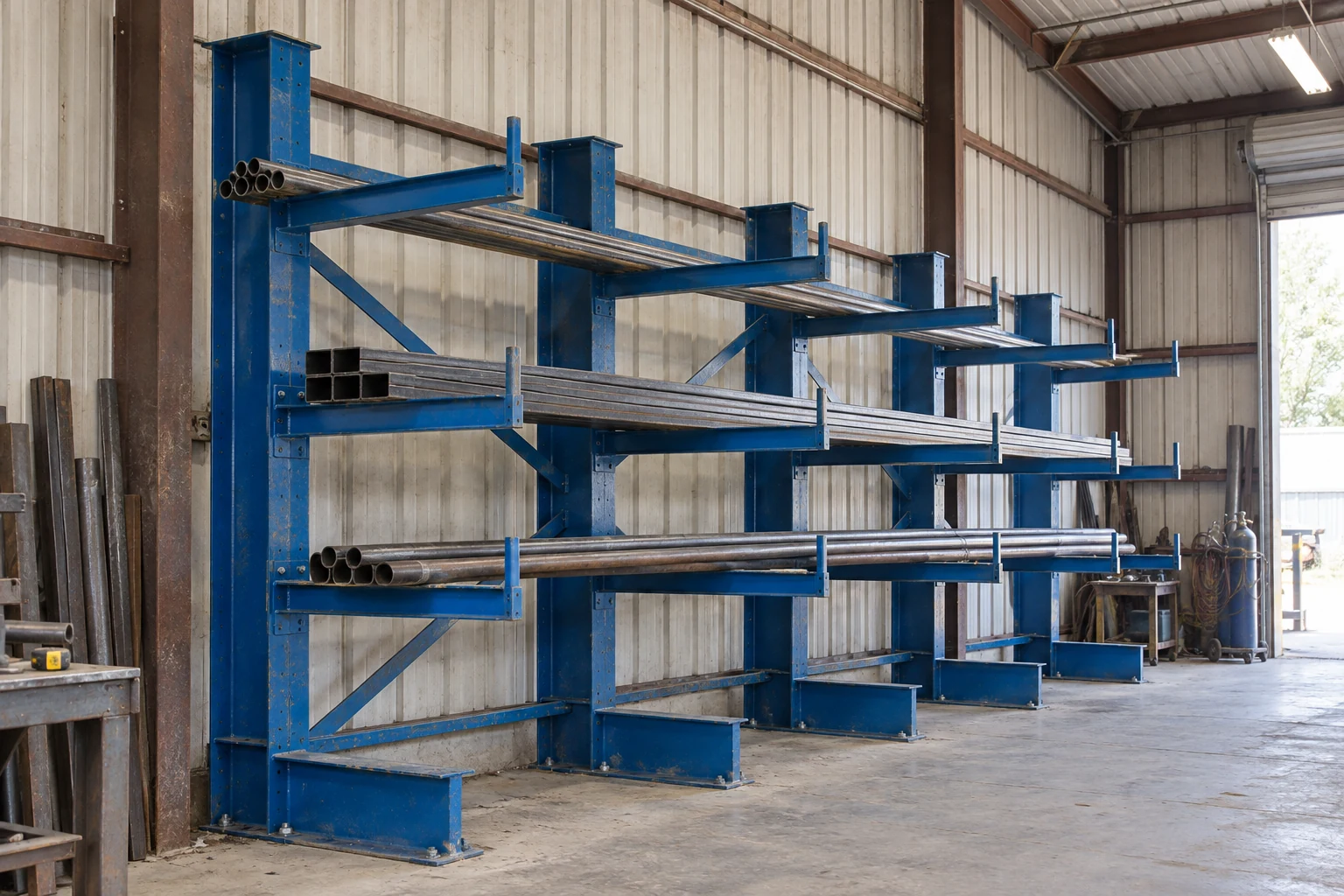
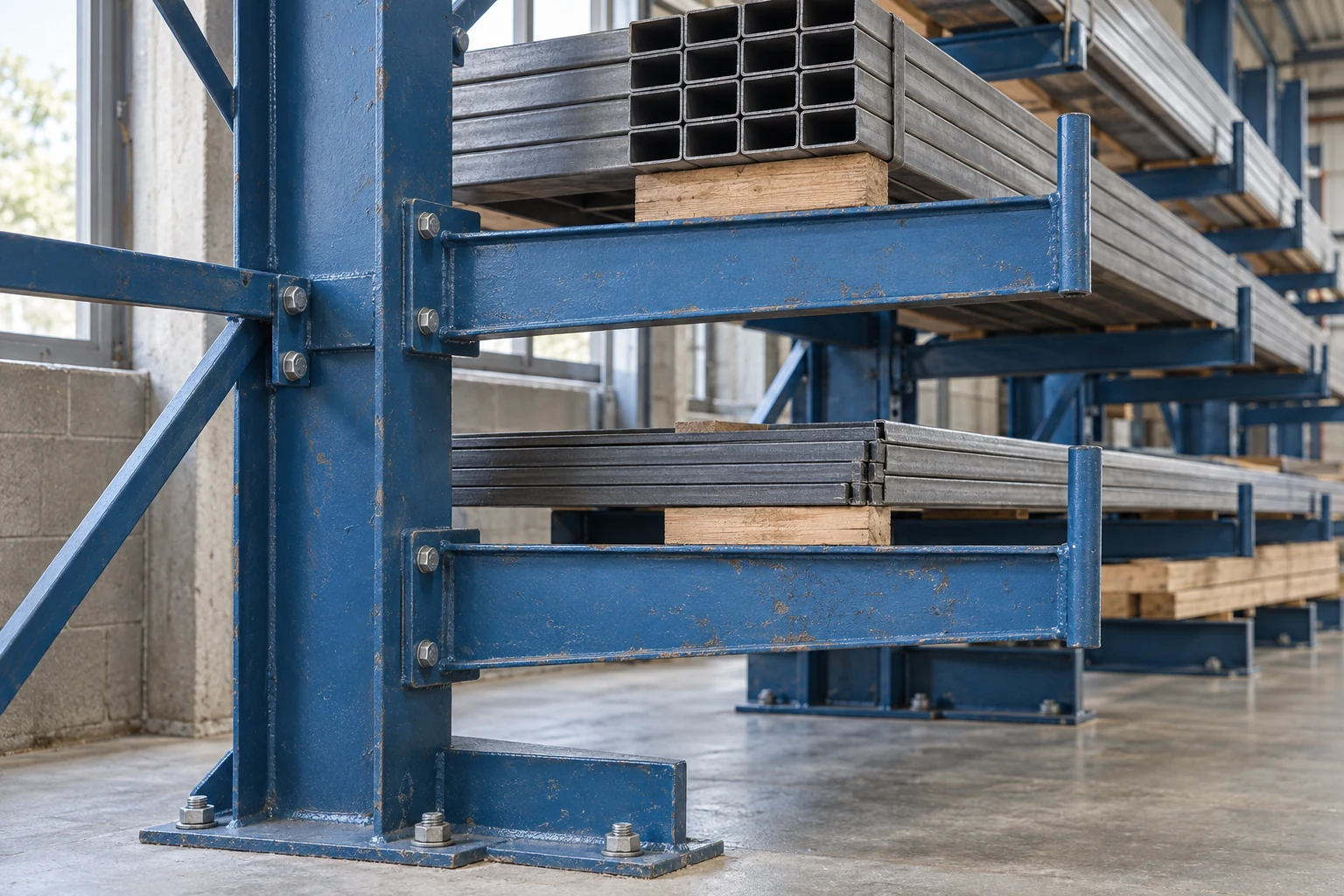
Do not assume that arms, bases or braces from different systems are interchangeable because holes line up. Confirm compatibility with the responsible manufacturer or qualified project professional. Keep any required evaluation and modifications in the comparison scope.
Compare the full project
| Item | Question for either option |
|---|---|
| Configuration | Does it match the intended load schedule? |
| Capacity records | Are they specific to the supplied arrangement? |
| Condition | Who evaluates damage, corrosion or alterations? |
| Completeness | Are required components and hardware included? |
| Installation | What support and anchoring requirements apply? |
| Future support | Can correct replacement parts be identified? |
Used components require a suitable condition assessment. Photographs and a seller's description may be useful initial information, but they cannot establish all aspects of structural condition or compatibility.
Evaluate a new engineered proposal on the same basis
For a new Cogan system, provide the load schedule and request the specified arm and column arrangement. Cogan directs buyers to its quote and approval drawings for detailed capacity information. Compare those documents with the proposed installed layout and operating process.
The objective is an appropriate storage system with understandable responsibilities and records. If a used proposal lacks information, state that uncertainty as part of the purchasing decision rather than assigning it an assumed capacity or an invented restoration cost.
Questions buyers ask
Can an old capacity label establish a relocated rack's capacity?
Only if the documentation actually applies to the components, configuration and relevant conditions. Have the proposed installation reviewed.
Is mixing different manufacturers' parts acceptable?
Do not assume compatibility. Obtain appropriate confirmation before combining components.
Does Cogan sell the used racks described here?
This is a purchasing comparison, not a claim about used inventory. Contact Cogan for its current new-system proposal and availability.
Product references and next step
Use Cogan's cantilever specifications as a reference for a documented new-system enquiry. Request a quote against your load schedule.
More on Cantilever Racking
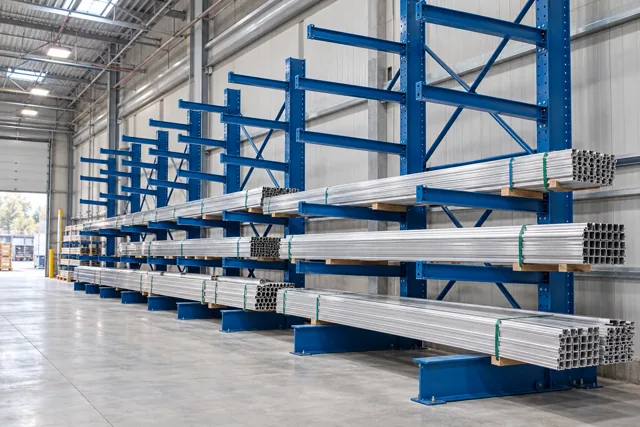
Cantilever Rack Inspections: What to Record and When to Escalate
Organize cantilever rack checks around the approved configuration, visible condition, stored loads and a clear process for reporting concerns.
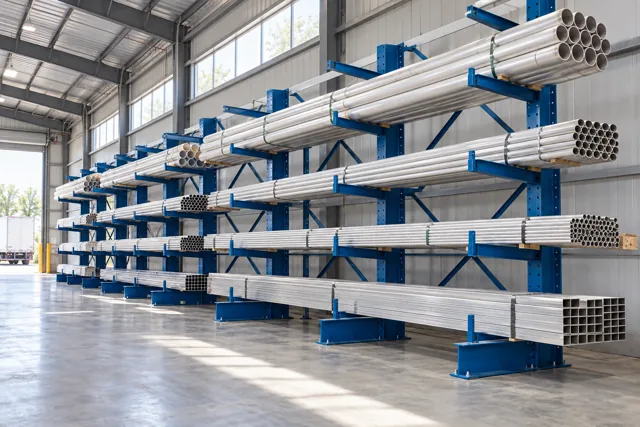
Cantilever Racking for Mixed-Length Stock: Build an Inventory Plan
Organize mixed-length pipe, tube and lumber before specifying cantilever racking. Record load dimensions, support needs, picking methods and stock changes.
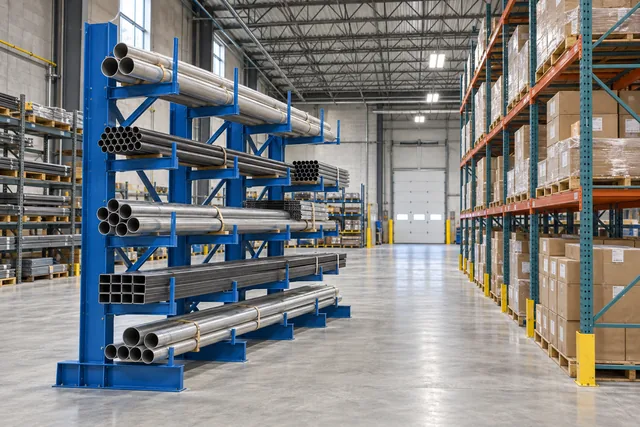
Cantilever vs Pallet Racking: Choose for the Load and Picking Method
Cantilever racking offers open-front support on projecting arms, making it a candidate for long or awkwardly shaped materials.
© 2025 Cogan Wire and Metal Products Ltd., all rights reserved.