





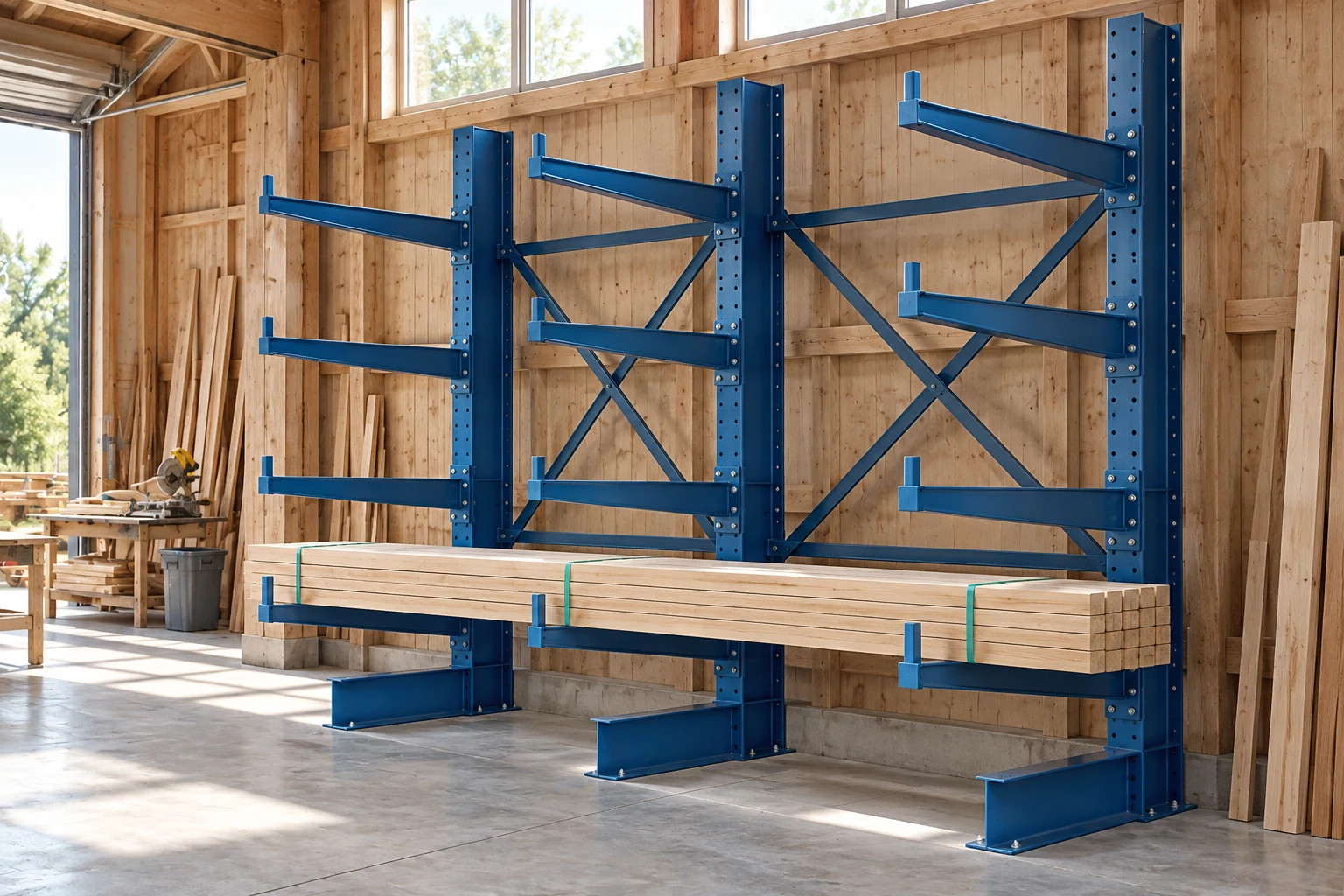
Replacement Cantilever Rack Arms: Check Compatibility Before Ordering
Replacement cantilever rack arms must match the original rack system and its approved loading arrangement. Confirm the manufacturer, arm identification, connection geometry, length, load distribution and column configuration before ordering. An arm that appears to fit the bolt holes is not automatically compatible or suitable for the stored load.
Identify the rack before measuring the arm
Start with the original quotation, drawings, load information and any product identification available on site. Record the row and column where the replacement is needed. Photographs should show the complete rack, the column, the connection and an undamaged corresponding arm where one is available.
Separate a like-for-like replacement from a proposed change. Replacing a damaged arm, adding another storage level and extending the arm length are different requests. Tell the supplier which one you need. A change that improves the apparent fit of a bundle can also change the forces acting on the rack.
If damage prompted the request, manage the affected storage location through the site's procedure first. The cantilever inspection guide describes the observations to record and escalate. Do not treat a replacement order as confirmation that adjacent components are suitable to remain loaded.
Check more than arm length
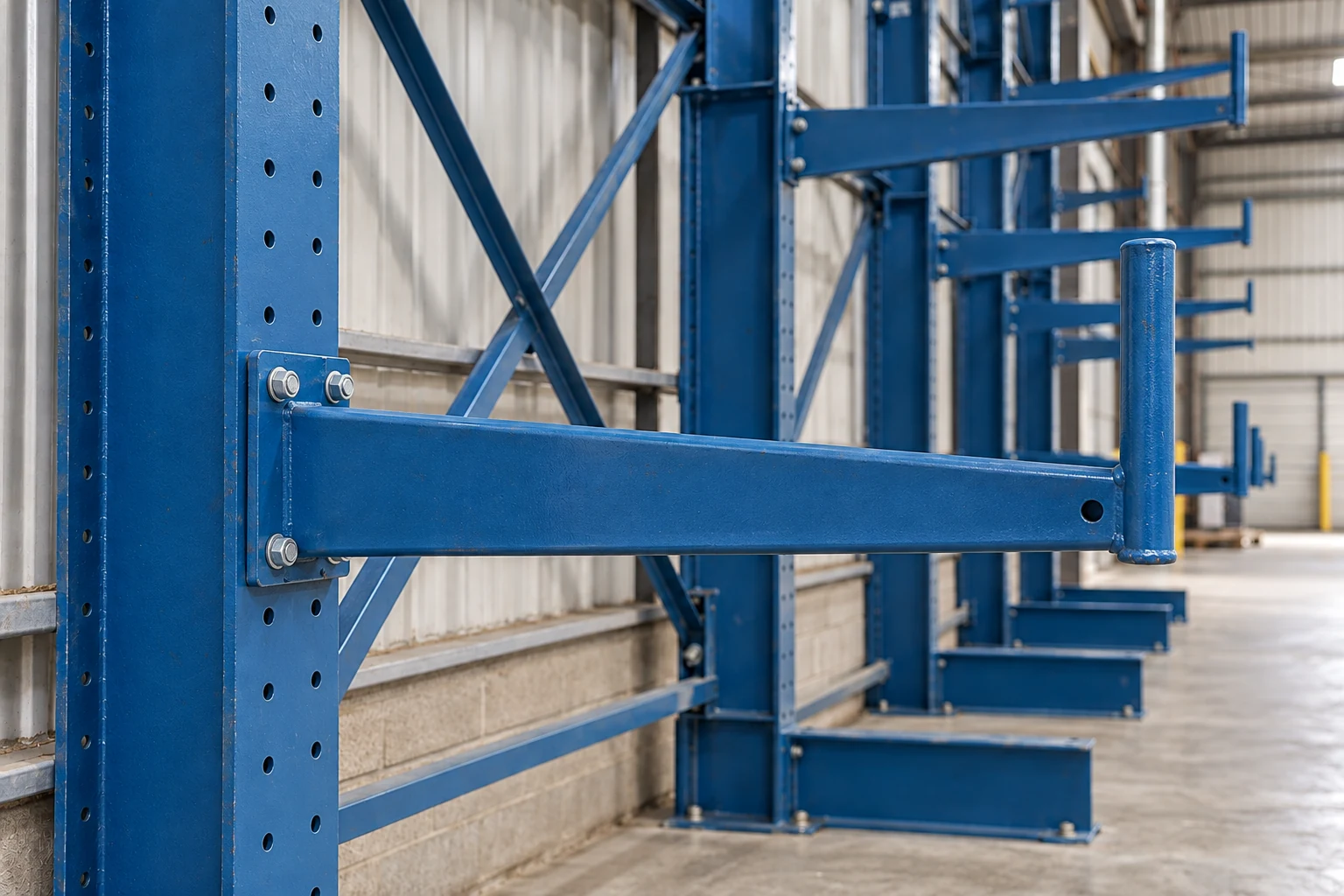
Cogan's structural cantilever arm information describes multiple arm lengths and plate-connection arrangements. It also identifies the role of the bolted connection and distinguishes arm capacity from the overall column configuration. Use the project-specific documents to resolve the exact part required.
| Identification item | Record or measure | Why it matters |
|---|---|---|
| Rack system | Manufacturer, project number and drawings | Establishes the intended component family |
| Arm | Identification, length and section | A similar silhouette can conceal a different part |
| Connection | Plate arrangement and hole pattern | Compatibility includes the complete connection |
| Stored load | Weight, depth, length and support pattern | The arm must suit the actual load arrangement |
| Rack configuration | Arm levels, columns, bases and bracing | Individual ratings do not replace system review |
| Accessories | Stops, overlays and other specified components | Accessories form part of the intended use |
Record dimensions using the supplier's requested measurement method. “Arm length” can be ambiguous if one person measures the overall steel and another measures usable support beyond the column. Include a photograph or sketch showing the endpoints used.
Keep connection compatibility and capacity together
Bolt-hole alignment is one identification clue, not an engineering approval. Plate dimensions, arm section, connection hardware and column characteristics belong to the same review. Do not substitute bolts based only on diameter or reuse components simply because they can be assembled.
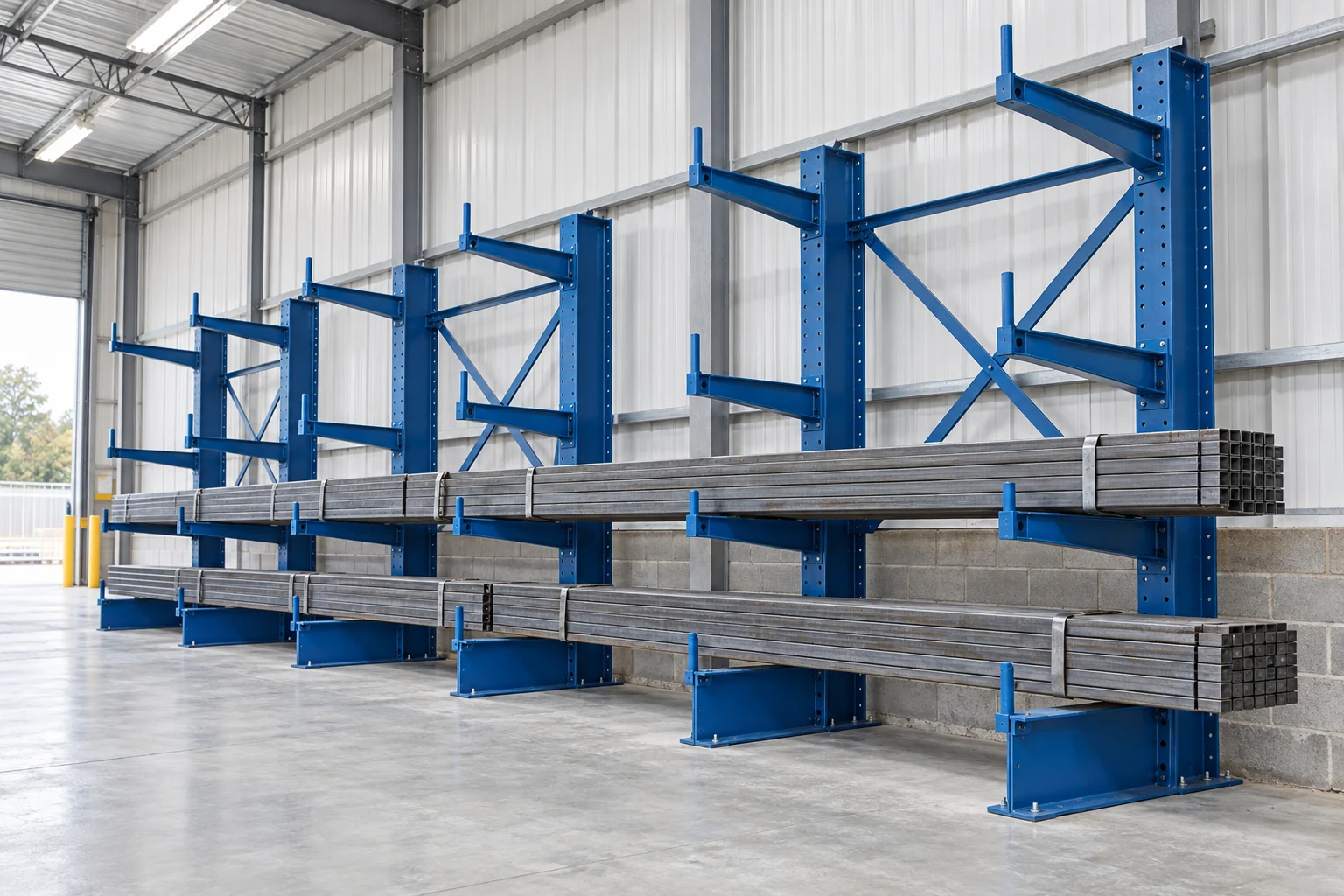
Provide the supplier with the actual load distribution. A uniformly supported bundle differs from an item concentrated near the end of an arm. Describe the full material depth and how multiple arms share the load. The existing cantilever capacity guide explains why an arm rating alone does not define the capacity of a complete rack.
Avoid mixing unidentified components from different systems. If records are missing, ask what inspection and identification work is needed before deciding whether replacement is feasible. A supplier's inability to identify an old arm from a single photograph is a reason to collect better information, not to select the nearest-looking part.
Review accessories and the handling method
Check whether the original arm used end stops, a shelf overlay or another specified accessory. Include those components in the replacement request. A stop is part of a defined storage arrangement; it does not justify leaving unstable round material uncontrolled or allowing a load to extend beyond the approved support.
Also report changes to the handling equipment or inventory. A rack that now stores different lengths or bundle sizes may need a configuration review. Use the mixed-length stock planning guide when the inventory has changed rather than treating every requirement as a spare-part purchase.
Close the replacement with updated records
Obtain the approved part and installation requirements before work begins. Plan unloading, isolation, access and installation through the responsible site team. This guide does not prescribe a method for removing a loaded arm or repairing structural steel.
Keep the replacement part identification, installation record and any revised load information with the rack documentation. If the approved arrangement changes, make sure operators receive the updated information before the location returns to use. Request a Cogan quote with the original project details and the completed identification checklist.
Frequently asked questions
Are cantilever rack arms interchangeable between brands?
Do not assume interchangeability. The arm, connection, column and loading arrangement need to be identified and approved as a compatible system.
Can a longer arm be installed in the same bolt holes?
Matching holes do not establish suitability. A longer arm changes the proposed configuration and needs review of loading, connection and the complete rack before installation.
What if the original rack drawings are missing?
Collect available identifiers, overall and detail photographs, dimensions and load information. Ask the manufacturer or qualified project professional what further assessment is needed before selecting parts.
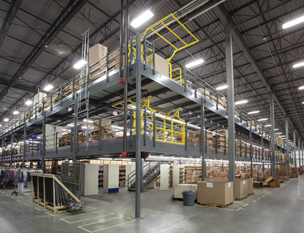
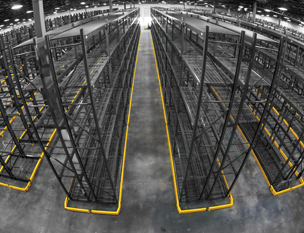
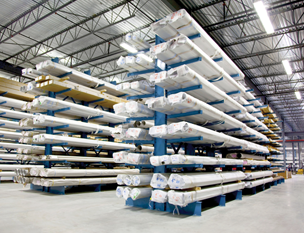
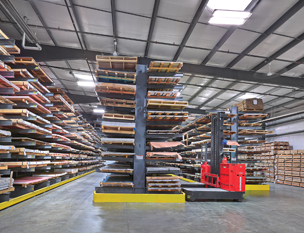
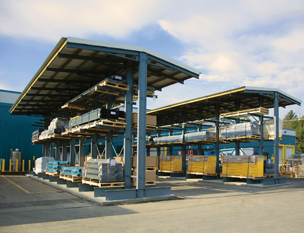
Images are conceptual product visualizations. Final configurations must follow the approved project drawings.
More on Cantilever Racking
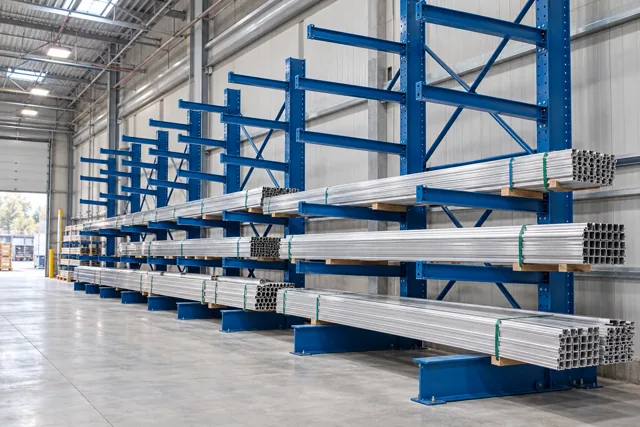
Cantilever Rack Inspections: What to Record and When to Escalate
Organize cantilever rack checks around the approved configuration, visible condition, stored loads and a clear process for reporting concerns.
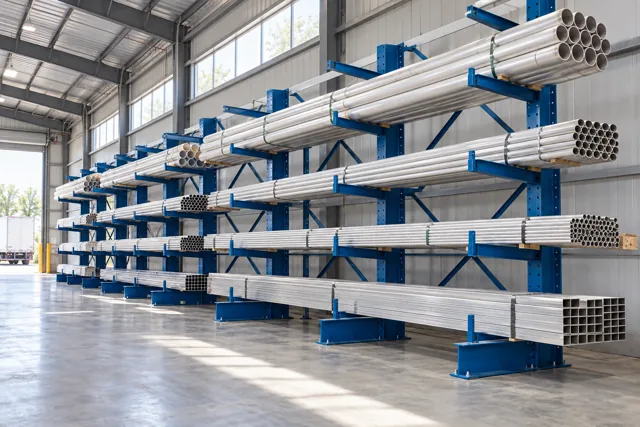
Cantilever Racking for Mixed-Length Stock: Build an Inventory Plan
Organize mixed-length pipe, tube and lumber before specifying cantilever racking. Record load dimensions, support needs, picking methods and stock changes.
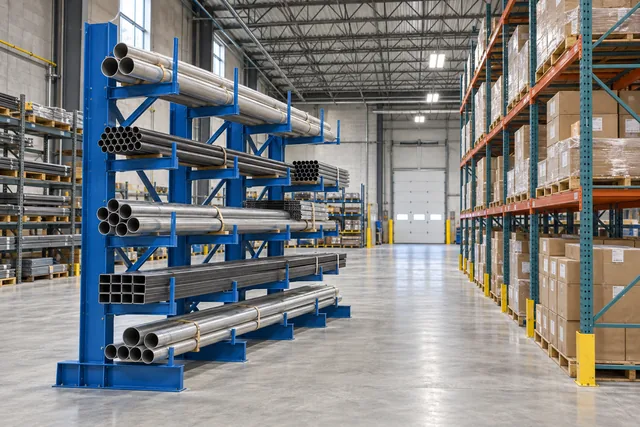
Cantilever vs Pallet Racking: Choose for the Load and Picking Method
Cantilever racking offers open-front support on projecting arms, making it a candidate for long or awkwardly shaped materials.
© 2025 Cogan Wire and Metal Products Ltd., all rights reserved.