


Warehouse Bollards vs Guardrails: Which Protection Fits?
Bollards protect specific points, while guardrail runs create a continuous boundary along a larger area. The choice depends on how a vehicle or load could approach the asset, how much space is available, and whether people or equipment need to pass through the protected area.
Start with the shape of the exposure
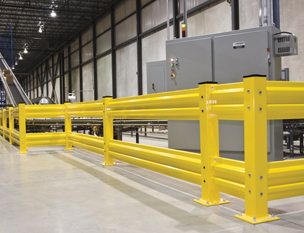
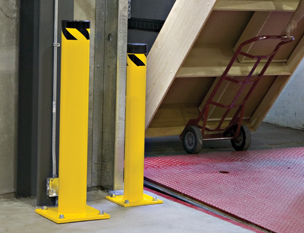
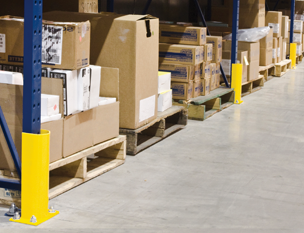
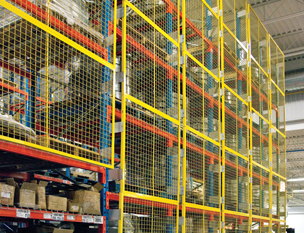
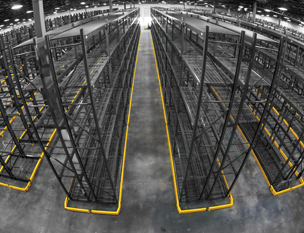
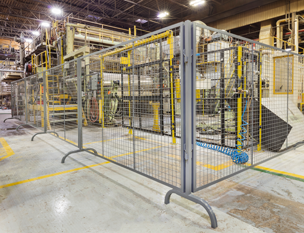
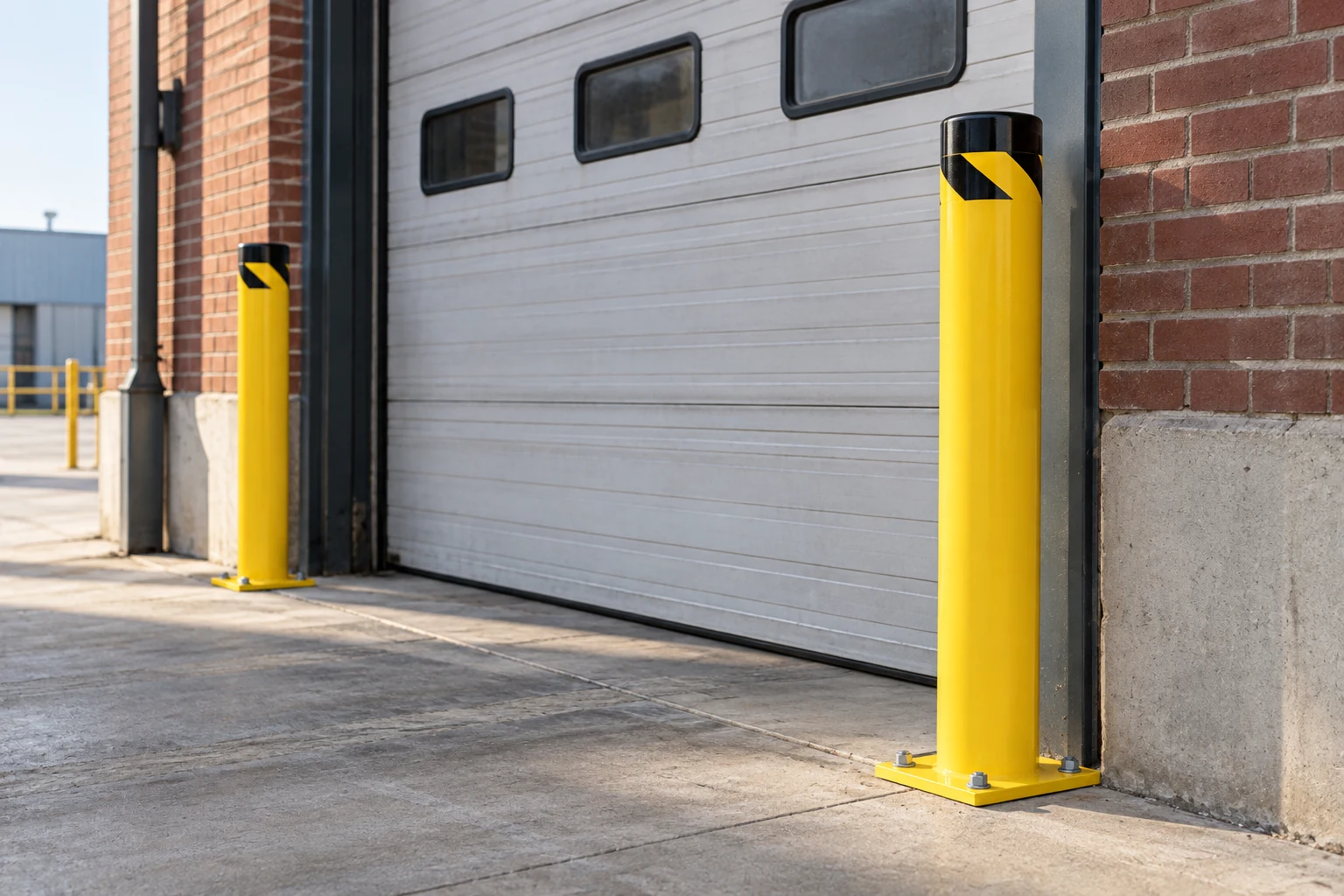
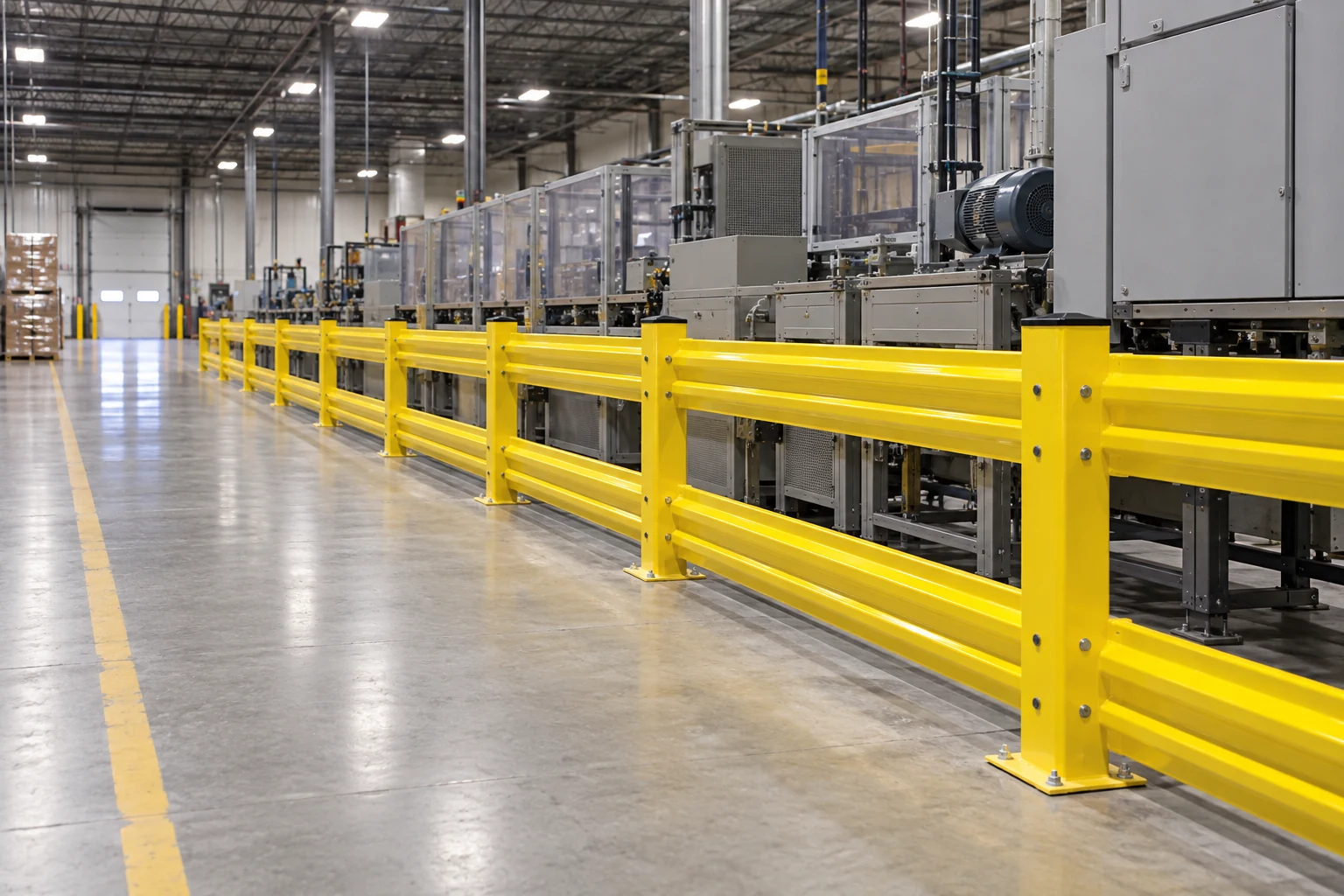
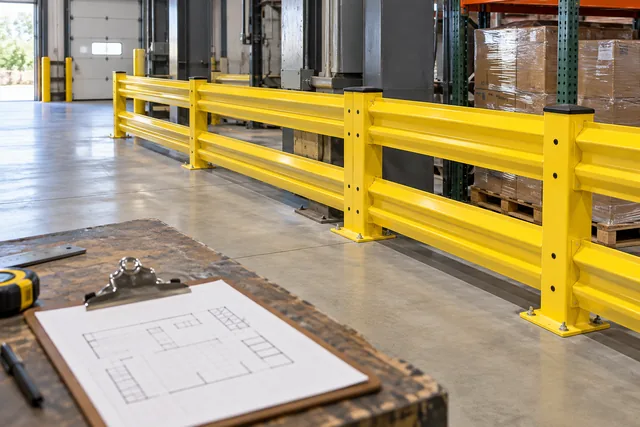
A doorway jamb, column corner or individual fixture can present a localized exposure. A bollard may be worth considering where a long rail would obstruct access. By contrast, a conveyor line or machinery perimeter can be exposed across several feet of its length. A continuous guardrail system addresses that different geometry.
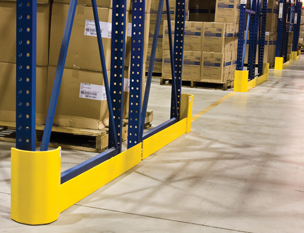
Do not choose solely from a photograph of a similar building. Vehicle width, fork position, load overhang and the approach angle can change what needs protection. An isolated post does not create a continuous barrier, and a long rail is not automatically the correct answer at every doorway.
Compare the complete installed systems
| Question | Bollard approach | Guardrail approach |
|---|---|---|
| What is protected? | A specific point or opening edge | A longer perimeter or boundary |
| What remains open? | Space between separate posts | Deliberately designed openings |
| What affects layout? | Post position and surrounding clearance | Rail runs, ends, corners and access |
| What needs verification? | Product rating, base and anchors | Complete rail, post and anchor configuration |
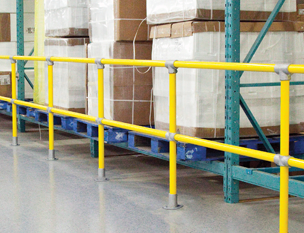
A yellow finish helps visibility but does not establish an impact rating. Compare the actual products, their documented performance and their installation requirements. The same caution applies when comparing steel products with other barrier materials.
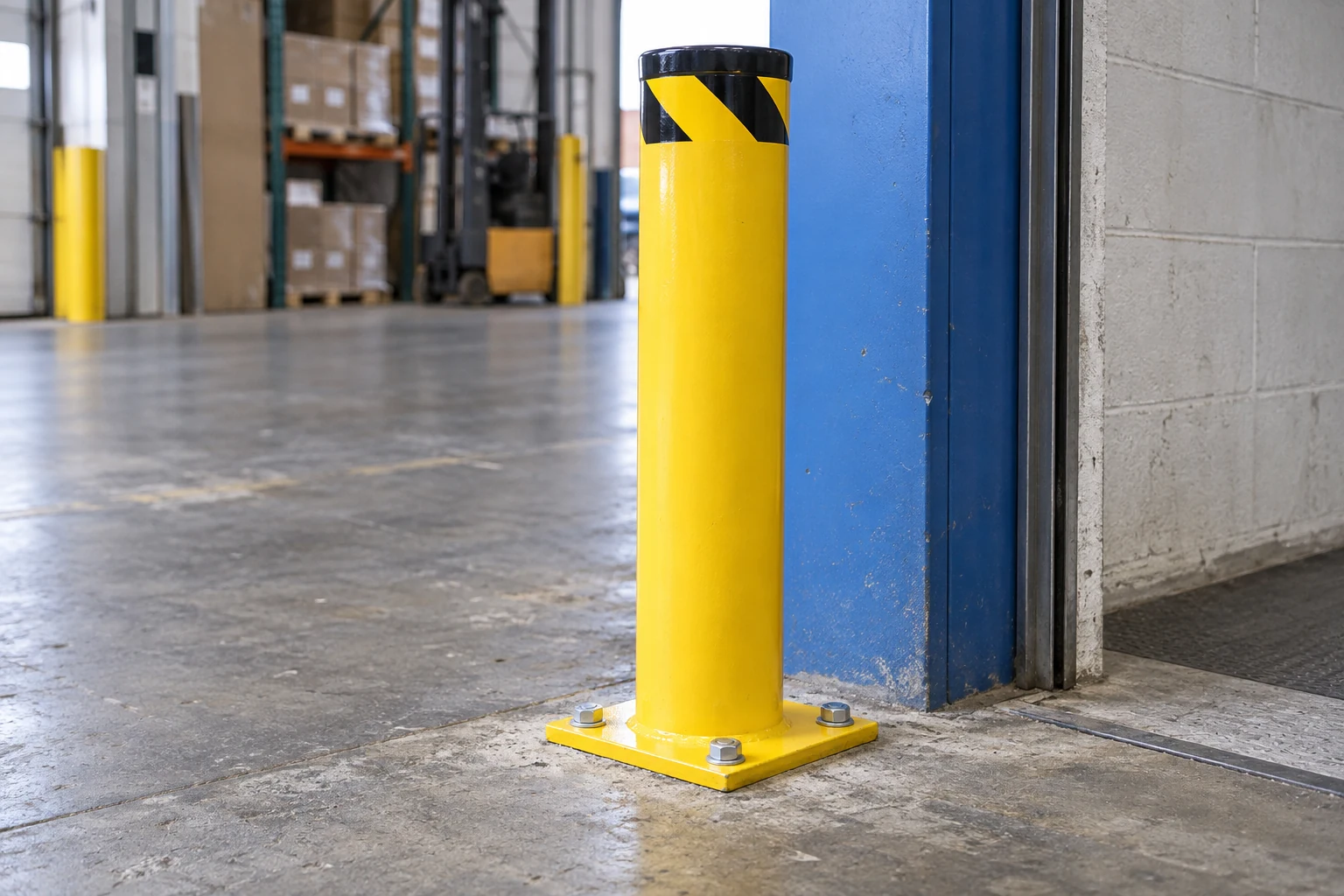
Plan doorway protection around the load
At a door, measure the useful opening after protection is installed. Include the widest load, not only the forklift body. Check turning approaches, door tracks and the space needed for service. Protection that forces repeated close manoeuvres can create a new operational problem.
Avoid assigning a universal bollard spacing from a general article. Positioning should reflect the object being protected and the equipment moving past it. Confirm floor condition and installation details with the selected product's documentation and project team.
Use both when the layout calls for it
A facility can need guardrails along a production area and bollards at adjacent doors. That is a coordinated layout rather than a choice of one product for the entire building. Document where each system ends, what gaps remain, and whether a pedestrian route passes through those gaps.
Request comparable quotations with the protection locations marked on one drawing. Include bases, anchors, delivery and installation scope so that an inexpensive component price does not hide a more complicated installed arrangement. Review the completed plan from the driver's approach and from the pedestrian's viewpoint.
Questions buyers ask
Are warehouse bollards the same as security bollards for vehicle attacks?
Do not assume that. Match a product's documented application and performance to the actual exposure; appearance is not certification for another use.
Can bollards replace all guardrails?
Not automatically. Separate posts and continuous rails create different boundaries. A design review should establish which arrangement addresses the exposure.
Can I add bollards after a guardrail installation?
Possibly, but check clearance, slab conditions and interactions with existing components before ordering or drilling.
Product references and next step
Compare Cogan bollards with heavy-duty guardrails. For a coordinated layout, request a quote with the protected locations marked.
More on Guardrails
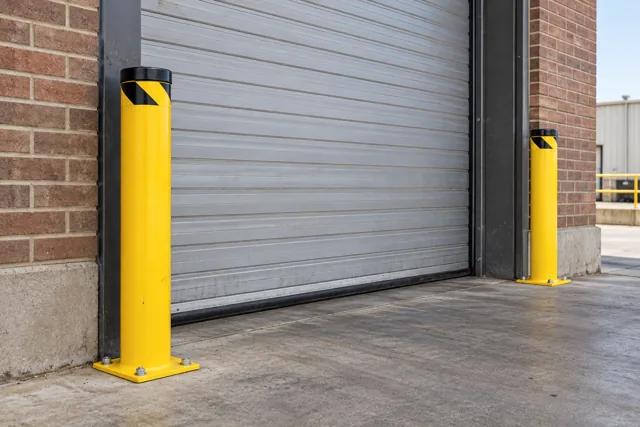
Warehouse Bollard Spacing: Measure the Opening and the Exposure
Plan warehouse bollard spacing around clear openings, vehicle and load movement, the protected asset and installation conditions.
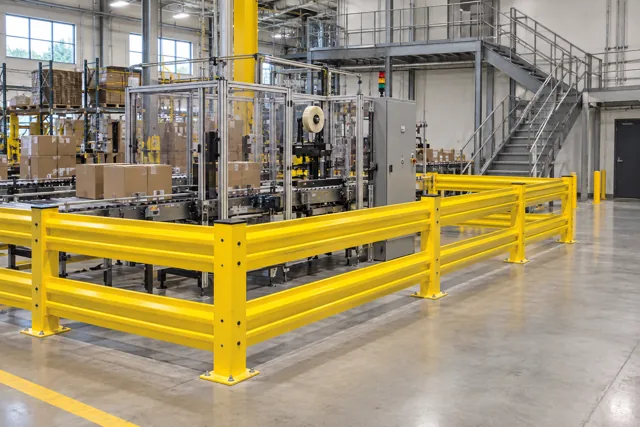
Guardrail vs Handrail: Which System Does Your Warehouse Need?
Understand warehouse impact guardrails, fall-protection guardrails and graspable handrails before selecting a protective system for your facility.
Warehouse Guardrail Cost: What a Complete Quote Should Include
Warehouse guardrail cost depends on the configured system and installation scope, not only the length of rail.
© 2025 Cogan Wire and Metal Products Ltd., all rights reserved.