



Cantilever vs Pallet Racking: Choose for the Load and Picking Method
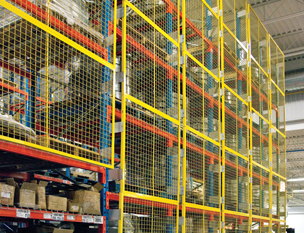
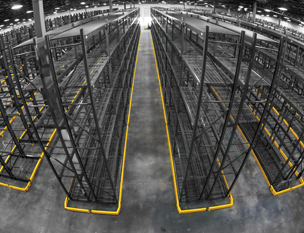
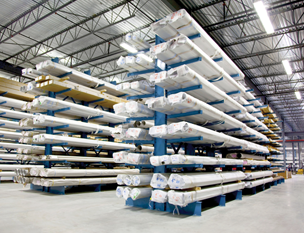
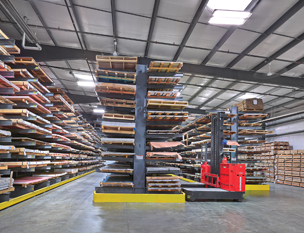
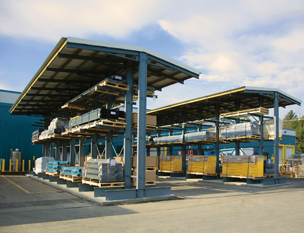
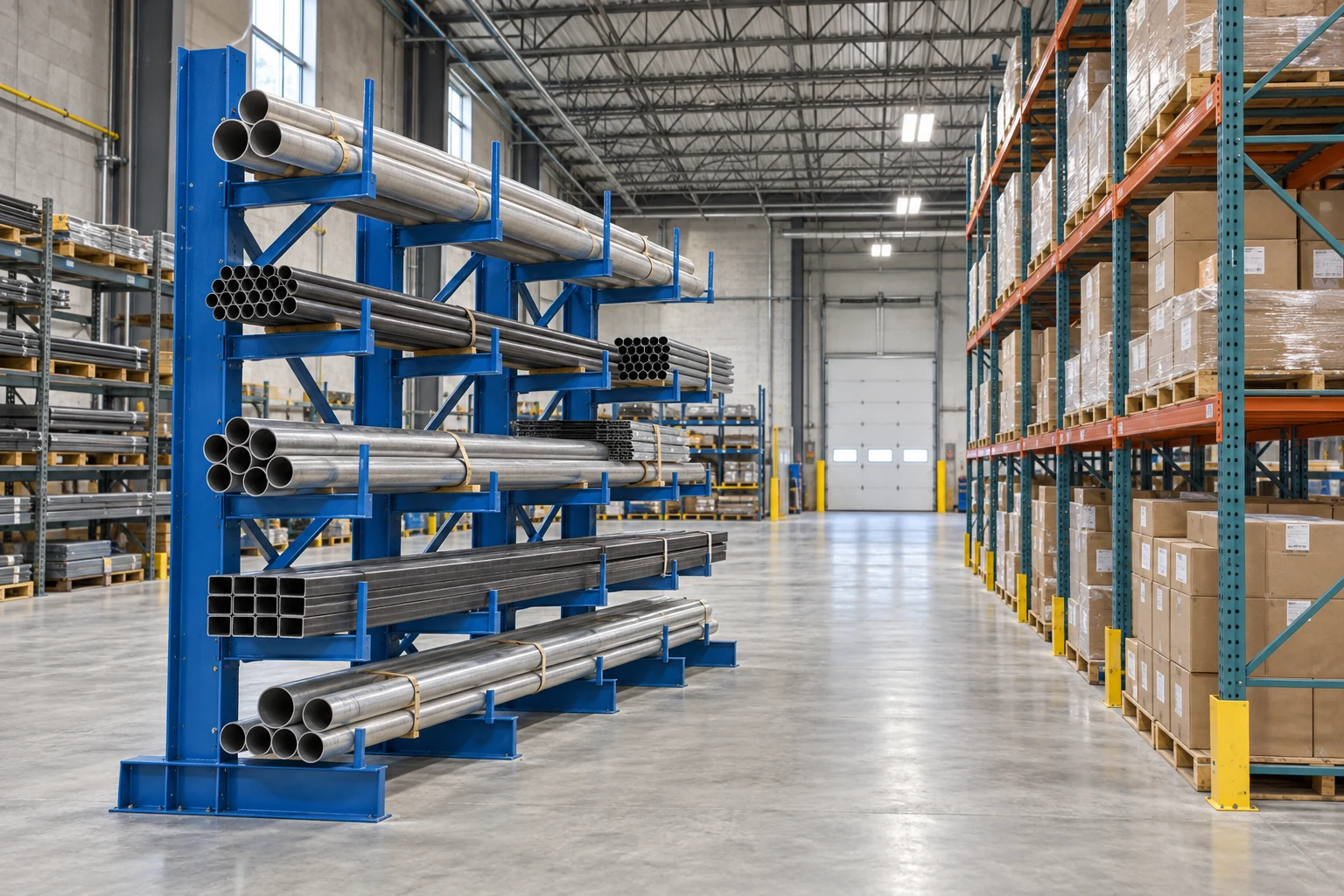
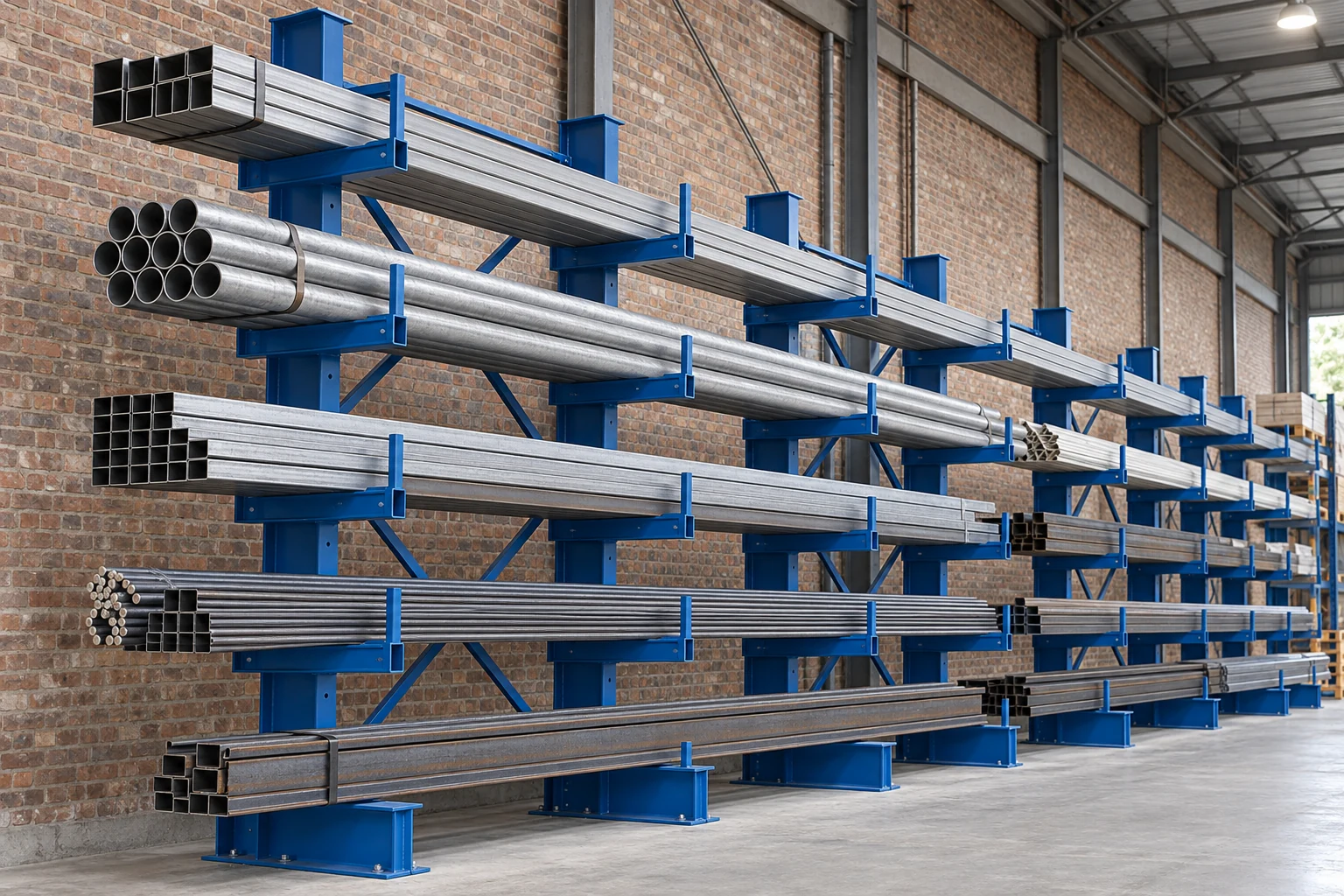
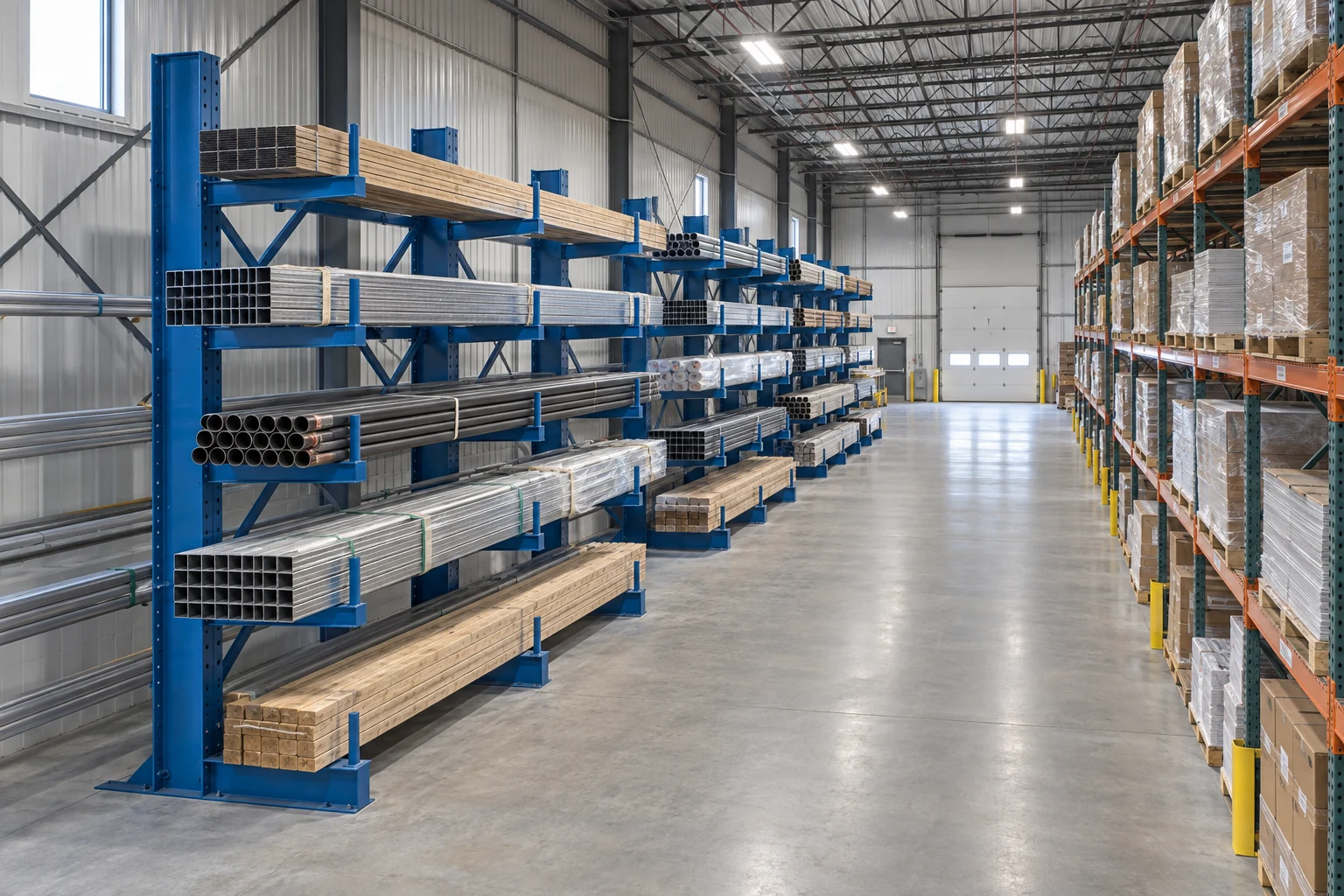
Cantilever racking offers open-front support on projecting arms, making it a candidate for long or awkwardly shaped materials. Pallet racking is arranged around supported pallet loads between frames. Choose by the stored unit, its support needs and the handling process rather than by the familiar name of a rack.
Define what will actually sit on the supports
A palletized load and a long bundle of tube create different storage requirements. Record whether material remains on a suitable pallet, spans multiple supports, or is picked as individual pieces. Include packaging, load stability and the expected range of dimensions.
Avoid assuming that a material must use one system solely because of its industry. A fabrication facility, for example, may handle long stock and palletized components in the same building. Different inventory families can justify different storage arrangements.
Compare the access geometry
| Requirement | Cantilever consideration | Pallet-rack consideration |
|---|---|---|
| Long stock | Open front without front columns between arms | Check interference with frames and bay arrangement |
| Palletized units | Confirm an appropriate approved support arrangement | Designed around compatible pallet support |
| Mixed lengths | Support spacing and load distribution matter | Bay and support dimensions matter |
| Picking | Review placement and withdrawal of the full load | Review pallet handling and access |
The table describes planning considerations, not a universal performance ranking. Both systems need a configuration suited to their intended loads and installation conditions.
Keep the floor-space comparison fair
Include the aisles and handling equipment needed by each option. Long loads can govern turning space regardless of the rack's footprint. Storage density is not just the number of positions drawn between building walls.
Also compare replenishment and retrieval. If staff must move unrelated material to reach an item, the nominal storage count may hide additional handling. Build the comparison around representative daily tasks and the materials that move most often.
Ask for a documented recommendation
Cogan's cantilever range is intended for short, long and awkwardly shaped items, with structural arms and single- or double-sided configurations. Provide your inventory schedule so the supplier can determine whether that approach fits the application.
Do not adapt a rack with improvised supports simply because an item appears to fit. Any accessories and load arrangements need appropriate review. If the facility uses more than one rack type, keep capacities, component identification and operating instructions clear for each system.
Questions buyers ask
Is cantilever racking always better for long items?
It is a useful option to evaluate, but the item's support, weight and handling requirements still determine suitability.
Can a warehouse use both systems?
Yes, different inventory families may call for different arrangements. Coordinate the layout and handling routes across the facility.
Does the rack footprint determine storage efficiency?
No. Include aisles, turning, staging and the work needed to place and retrieve the loads.
Product references and next step
See Cogan structural cantilever racking and what cantilever racking is. Share your material profile for a storage-system enquiry.
More on Cantilever Racking
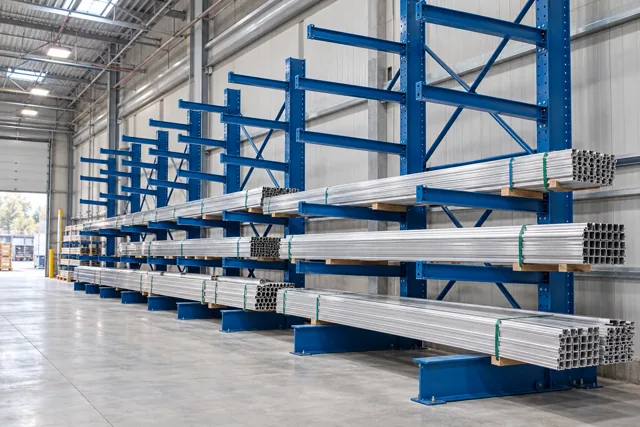
Cantilever Rack Inspections: What to Record and When to Escalate
Organize cantilever rack checks around the approved configuration, visible condition, stored loads and a clear process for reporting concerns.
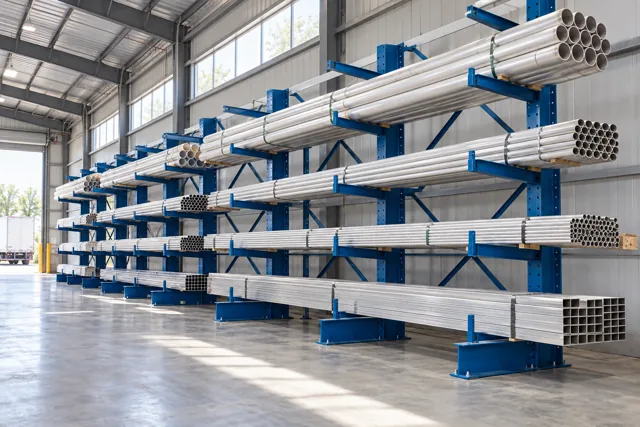
Cantilever Racking for Mixed-Length Stock: Build an Inventory Plan
Organize mixed-length pipe, tube and lumber before specifying cantilever racking. Record load dimensions, support needs, picking methods and stock changes.
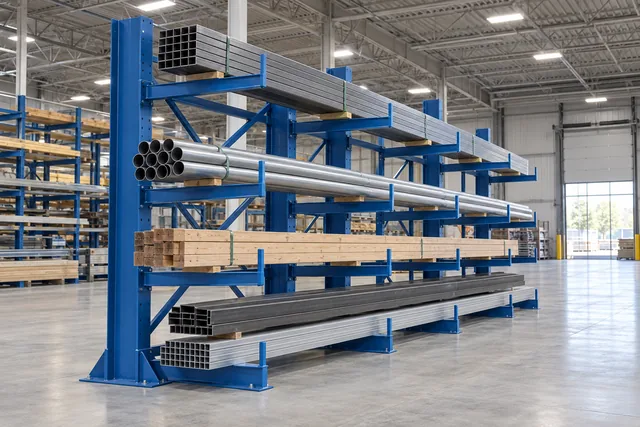
How to Order Cantilever Racking: A Quote-Ready Checklist
To order cantilever racking, provide a load schedule, a measured layout, the handling method and the site's installation conditions.
© 2025 Cogan Wire and Metal Products Ltd., all rights reserved.